Precision in
every dimension
Architecture, acoustics, and the engineering decisions behind sound that disappears into the room.
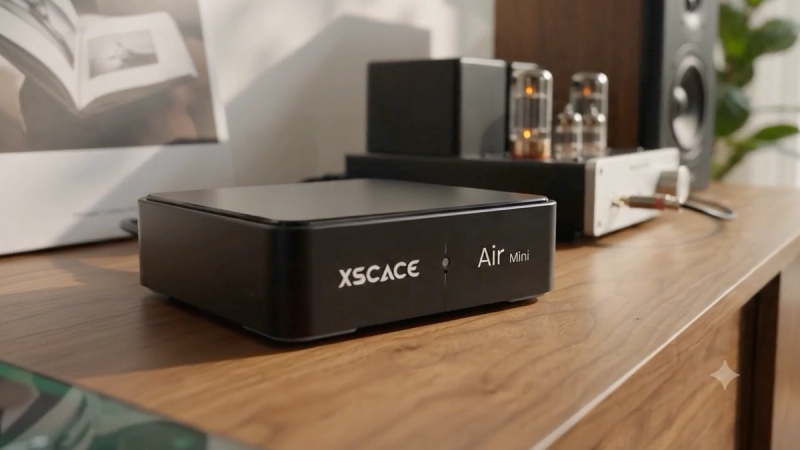
Air Mini IP Control: Integrating With Every Major Home Automation System
One GET request per command, no cloud and no SDK — how Air Mini and Air Amp integrate with Control4, Crestron, Savant, Home Assistant and every other major control system.
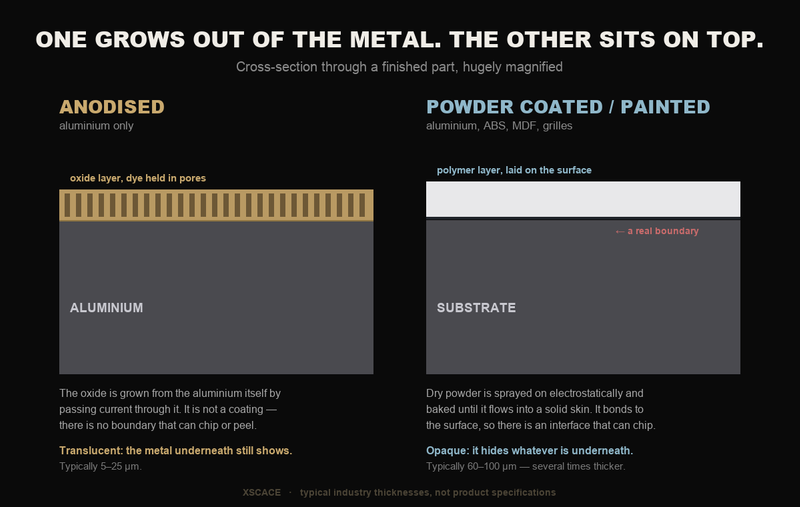
Anodised vs Powder Coated: How Speaker Finishes Actually Work
Anodising and powder coating are not two ways of doing the same thing. One grows the colour out of the metal, the other lays it on top — and which a part gets is decided by what it is made of.
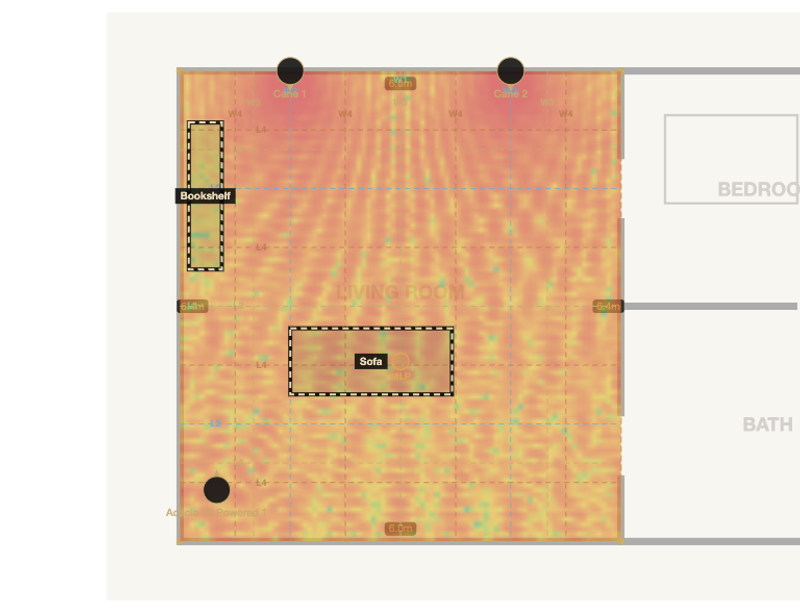
What Is the 38% Rule for Speaker Placement?
Sit at 38% of the room’s length from the front wall. It is the only commonly quoted position that never lands on a pressure maximum of the first four axial modes — the quarter, third and centre all do.

Are Ceiling Mounted Speakers Worth It?
Worth it for even coverage with nothing visible; not worth it for seated critical listening. With the coverage geometry that tells you how many a room needs, and the cavity depths that decide whether it is possible at all.
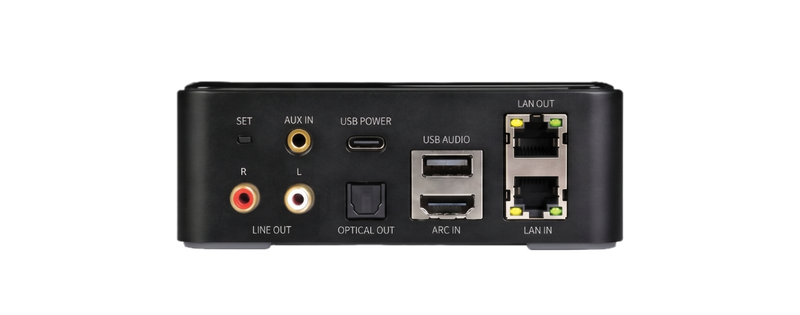
How Do In-Ceiling Speakers Get Power?
No socket in the ceiling, no switch, no plug — passive speakers take an amplified signal down two conductors. What that means for amplifier channels, cable and first-fix coordination.
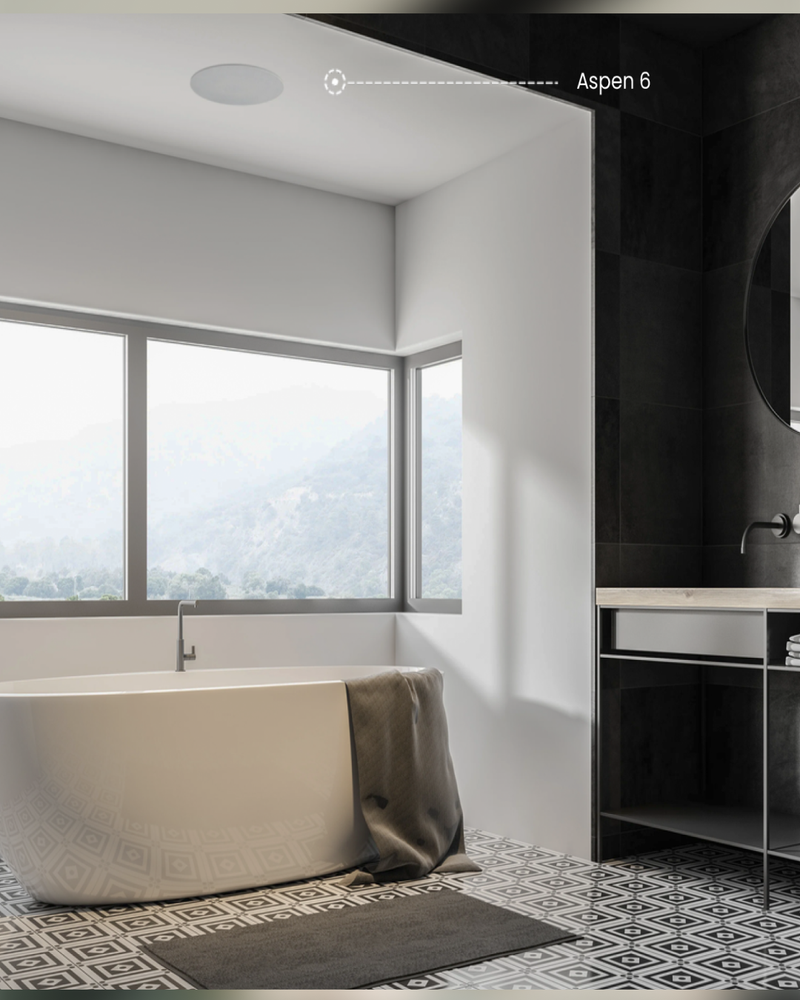
What Are the Disadvantages of In-Ceiling Speakers?
Sound from above, a permanent hole, limited bass, leakage into the room upstairs and an installation you cannot undo — the honest list, with the engineering answer to each.

How Every XSCACE Installation Is Wired, Controlled and Calibrated
Two signal chains, three stages, and the reasoning behind each: how an XSCACE system goes from a traced floor plan to a calibration report.

Premium Speaker Brands Compared: Choosing for Architectural Audio
Most comparisons line up a floorstanding tower against a flush-mounted ceiling speaker and score them on the same sheet. They were never solving the same problem. Here is how the premium speaker brands actually divide, and which one belongs on your drawing.

A Protocol Success Is Not a Sound
Licensed receivers accept a stream, report success, and play nothing. A compatibility study, the platform limit it exposed, and the button it put in the product.

Seven Releases to Measure One Number
Every intermediate version was wrong in a way that looked right. What it took to measure reverberation time defensibly — and why the tool now refuses to answer when it cannot.

Your Wireless Speaker Is Lying to You About Time
A wireless receiver's clock does not hold still. Six measurement architectures, each killed by a specific bench result, and the one that survived — validated against REW to 0.01 ms.

Invisible Speakers vs Ultra-Slim Architectural Speakers
Plaster-over invisible speakers and ultra-slim architectural speakers solve the same problem two different ways. What each actually requires, what each gives up, and which suits which ceiling.

How to Compare Architectural Speaker Brands: What Actually Separates One From Another
Most architectural speakers solve one problem: fitting a driver into an enclosure thin enough to disappear. That's the starting point, not the finish line. Here's what to actually check before specifying a brand.

AeroFrame Chassis™ — Why the Speaker Enclosure Is the Heatsink
Heat is the primary cause of in-ceiling speaker failure. XSCACE's AeroFrame Chassis™ uses 6061 aerospace aluminium machined to heatsink geometry — the enclosure dissipates heat rather than trapping it.
Nano Resonance™ — How XSCACE Overcame Hoffman's Iron Law
Hoffman's Iron Law says you can only optimise two of three: bass extension, efficiency, enclosure size. XSCACE's Nano Resonance™ chose bass — deliberately sacrificing efficiency to break the architectural audio compromise.
PowerDense Dynamics™ — Why Most Architectural Speakers Compress at High Volume
Most architectural speakers sound worse the louder you push them. XSCACE's PowerDense Dynamics™ copper-silver voice coil was engineered specifically to eliminate thermal compression.
PrecisionXover Array™ — The Crossover Nobody Sees and Everybody Hears
A speaker's crossover is its most overlooked, most consequential component. PrecisionXover Array™ uses hand-selected air-core inductors and polypropylene capacitors to ±0.5dB tolerance.

PsySculpt™ DSP: Equal-Loudness Compensation Built Into the Amplifier
Turn a system down and the bass and air go first — the ear's doing, not the recording's. PsySculpt™ is equal-loudness compensation inside the Xylem amplifiers that follows the ISO 226 contours in real time. What it does, how, and why it is not room correction.

Ultra-Thin Architectural Speakers: What the Spec Sheet Doesn't Tell You
12mm on a specification sheet tells you nothing about what the speaker sounds like at 12mm. What the spec sheet cannot — and does not — tell you about ultra-thin architectural speakers.

XS-Flow™ — Waveguide Engineering Inside a 12mm Speaker
Sound does not simply radiate from a speaker cone. XS-Flow™ engineers the internal cavity geometry as an acoustic waveguide — controlling directivity and eliminating diffraction in a 12mm enclosure.