Questions worth answering first
Frequently asked questions6 answers
Why choose in-wall over in-ceiling?
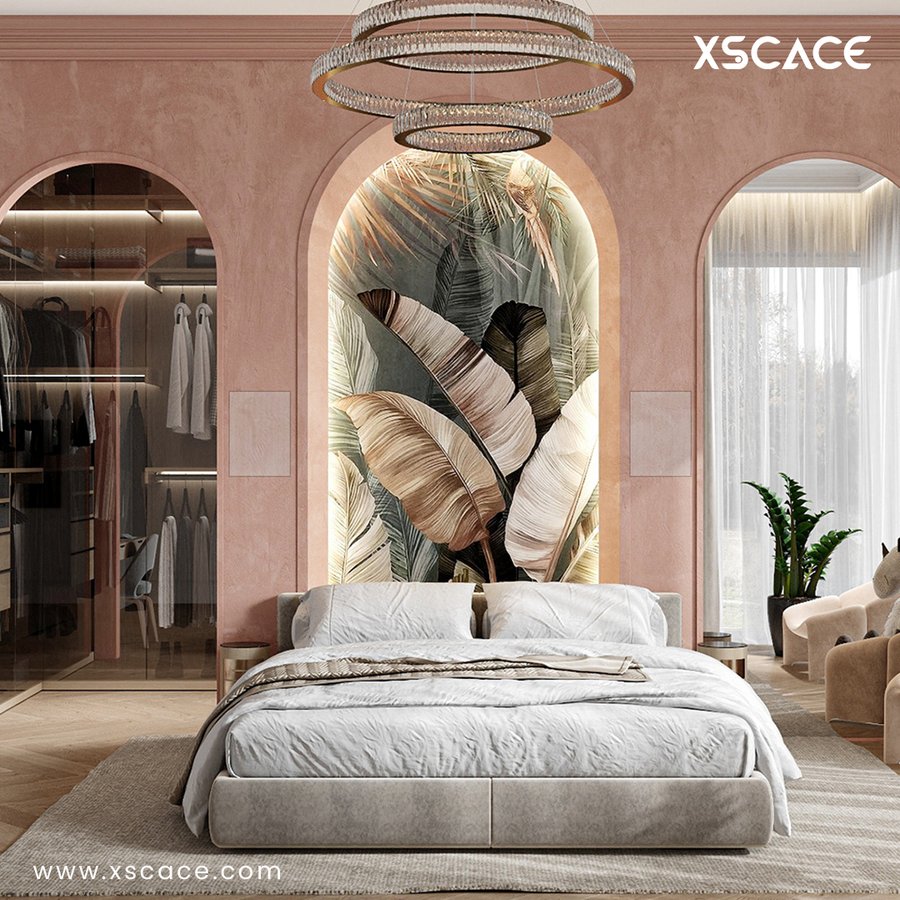
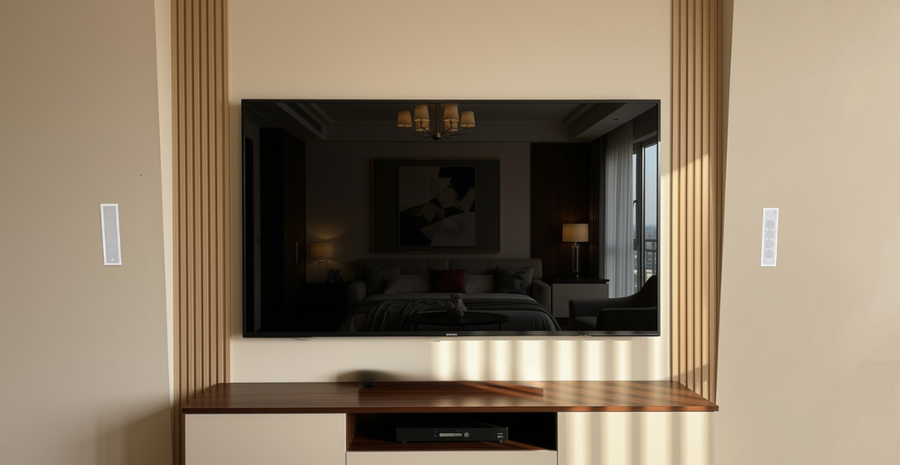
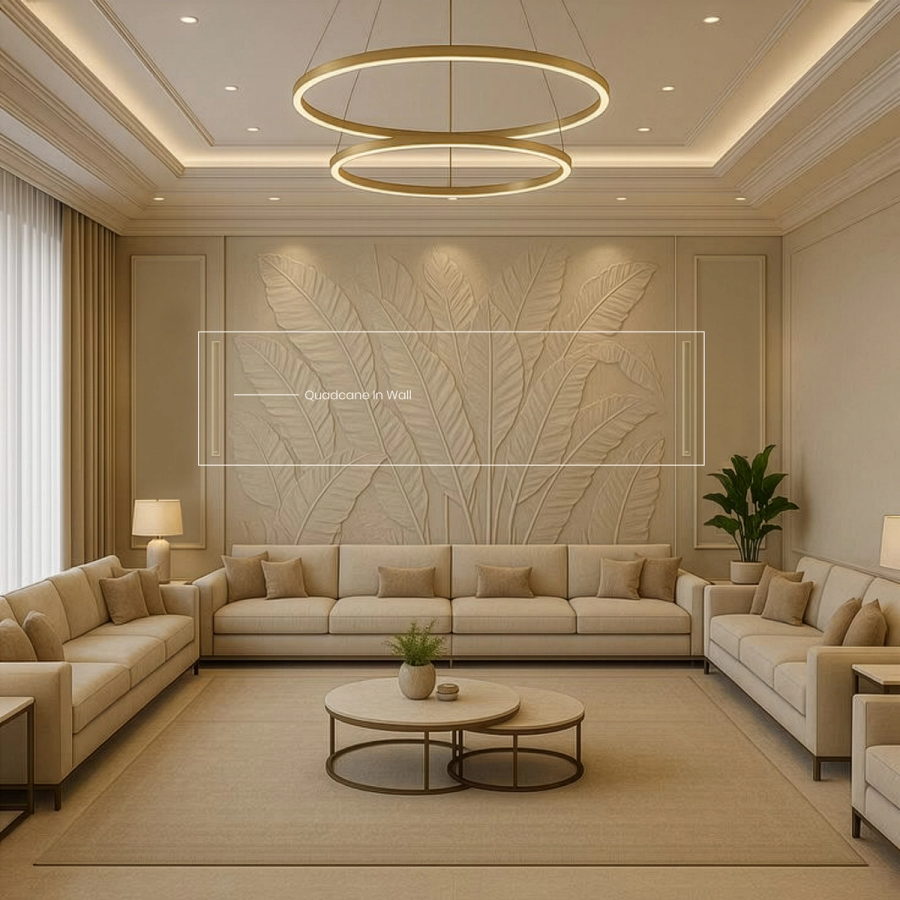
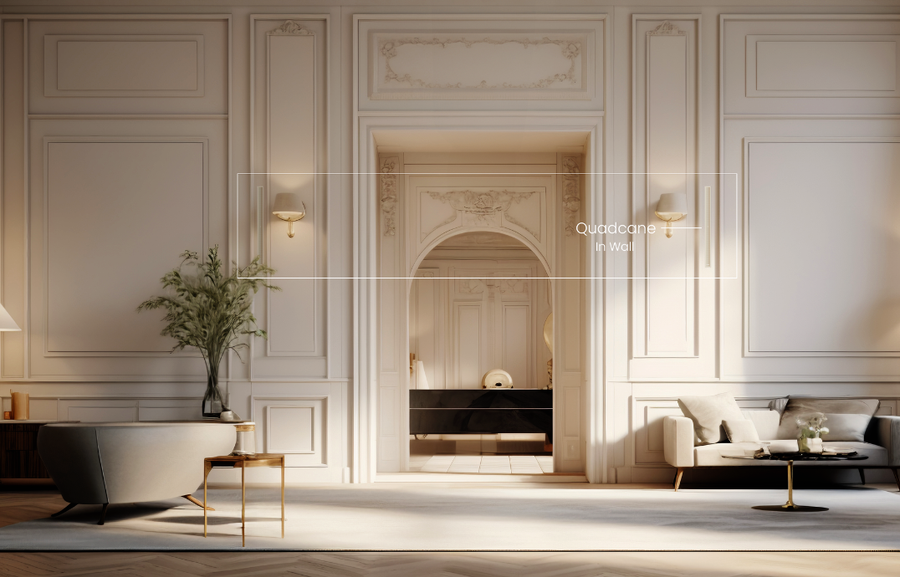
Height. An in-wall speaker sits at or near ear level, so sound arrives from the direction of the image rather than from overhead — which is why home cinema front channels and dedicated listening rooms are almost always in-wall. In-ceiling is the better answer for background music and Atmos height channels.
How deep does the wall cavity need to be?
From 25mm to 148mm depending on model. The Bonsai In-Ceiling/In-Wall needs only 25mm, the Cane 35mm and the QuadCane 32mm, which fits inside a standard stud wall with room to spare. The larger three-way models need more: Sage 112mm, Willow 122mm, Oak 148mm.
Which in-wall speaker is right for a cinema front stage?
The Oak — a three-way design rated 350W RMS at 90dB, reaching 40Hz with 117dB maximum SPL. It is a 4-ohm load, so the amplifier must be rated for it. The Willow is the matching surround at 300W and 45Hz.
Can in-wall speakers sit behind an acoustically transparent screen?
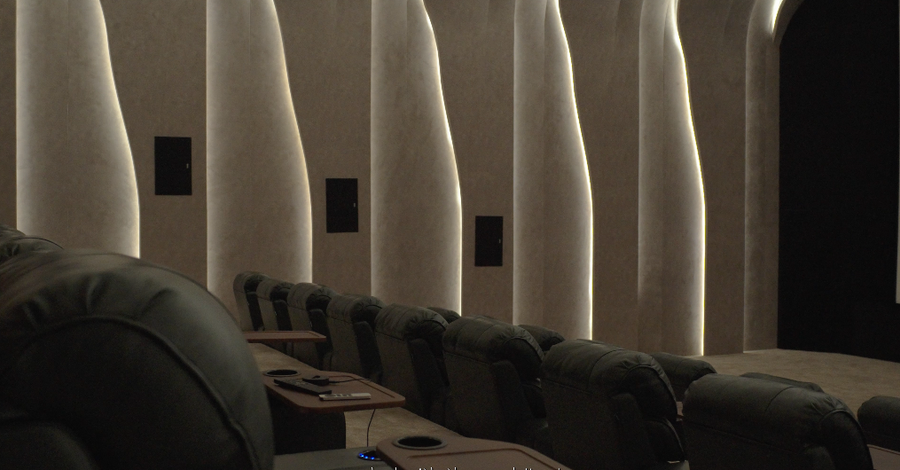
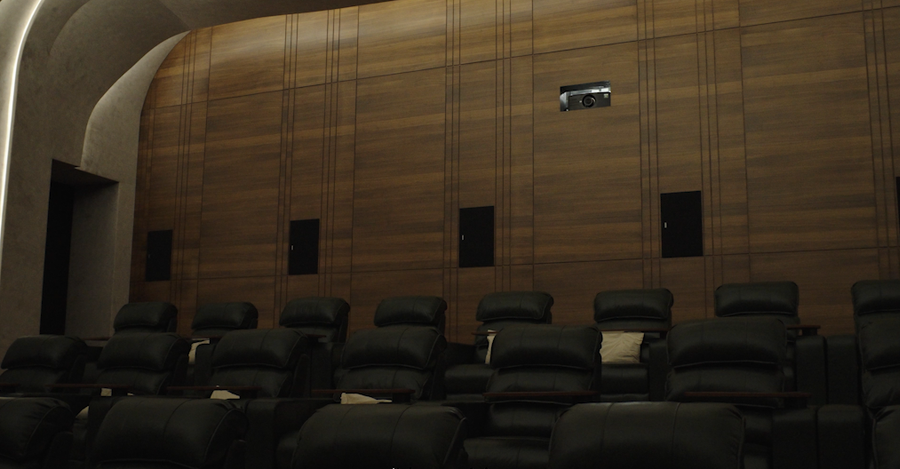
Yes, and for a dedicated cinema that is the correct arrangement — left, centre and right at ear height directly behind the screen, so dialogue comes from the actor rather than from above or below the image. The small predictable high-frequency loss through the screen is compensated during calibration.
Do in-wall speakers need a back box?
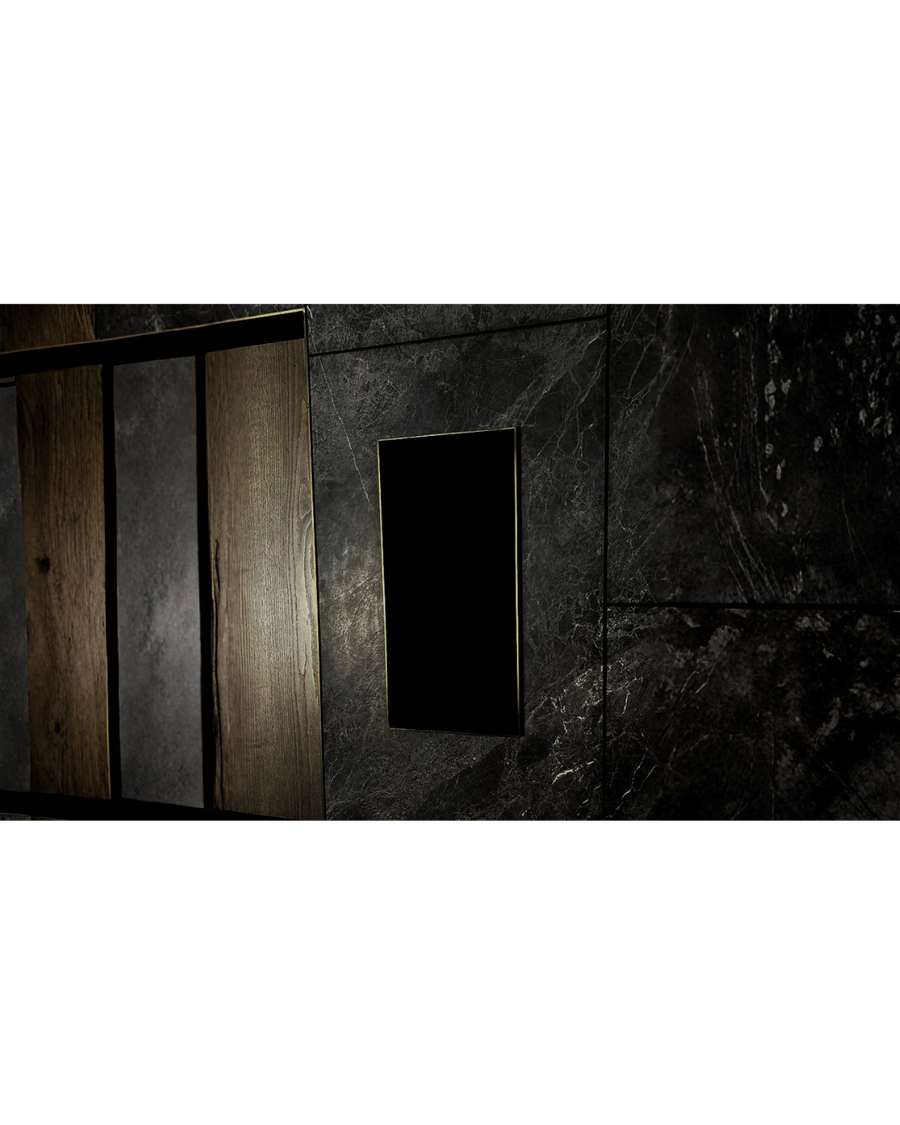
Not for performance in a normal stud or masonry wall; the models are designed for the cavity itself. A back box matters where you need to control sound leaking into an adjoining room, or where a fire or acoustic rating applies to the wall construction.
What is the slimmest in-wall option?
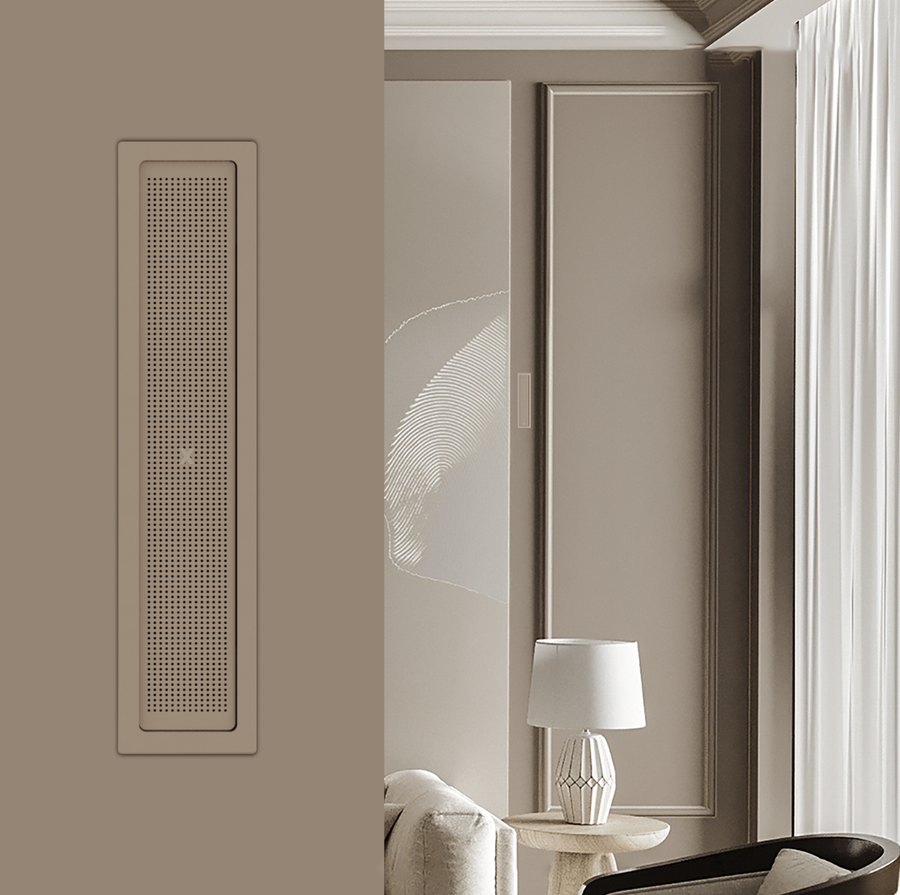
The Bonsai In-Ceiling/In-Wall at 13mm deep, needing 25mm of cavity. It is the flush version of the 12mm on-wall Bonsai and shares its 40W RMS, 86dB and 300Hz–18kHz specification, so it wants a subwoofer alongside it.