Questions worth answering first
Frequently asked questions6 answers
What IP rating do outdoor speakers need?
IP66 for permanent exposure — the first 6 means fully dust-tight, the second means protected against powerful water jets from any direction. The XSCACE Camphor 6, Camphor 8 and Spirea are all IP66. Treat "weather-resistant" without a rating as unspecified.
Why do outdoor speakers need more sensitivity than indoor ones?
Because nothing reflects the sound back. Indoors, walls and ceiling return energy to the listener; outdoors that reinforcement is gone, so output falls away with distance far faster. The Camphor models run 87dB sensitivity and the Banyan Canopy 96dB with 120dB maximum SPL for large open areas.
What is the difference between wall-mount and landscape speakers?
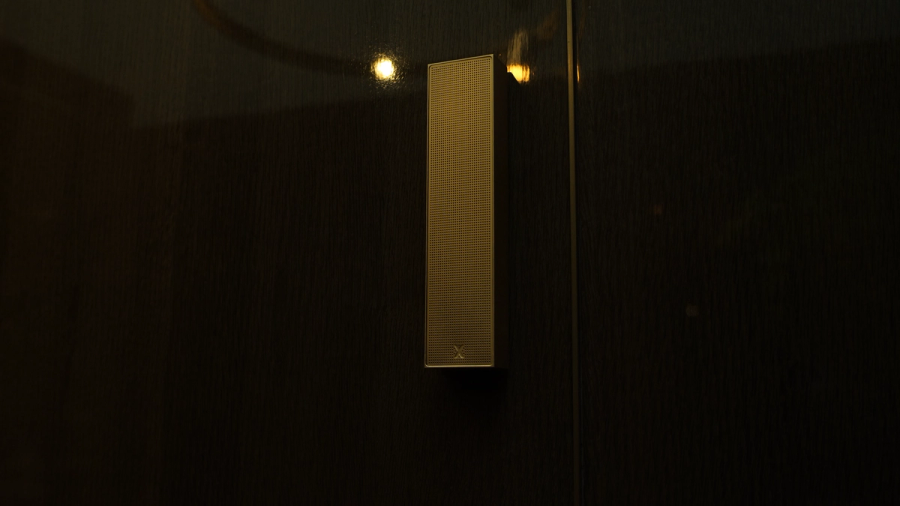
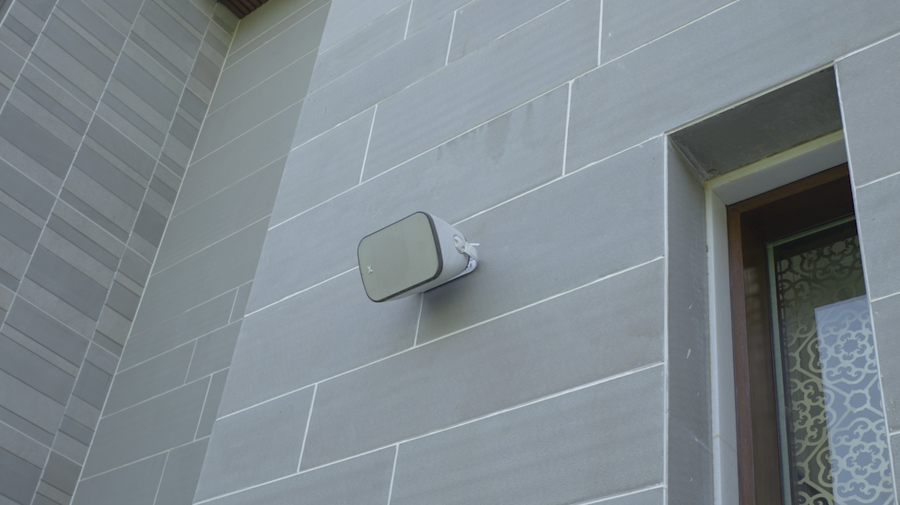
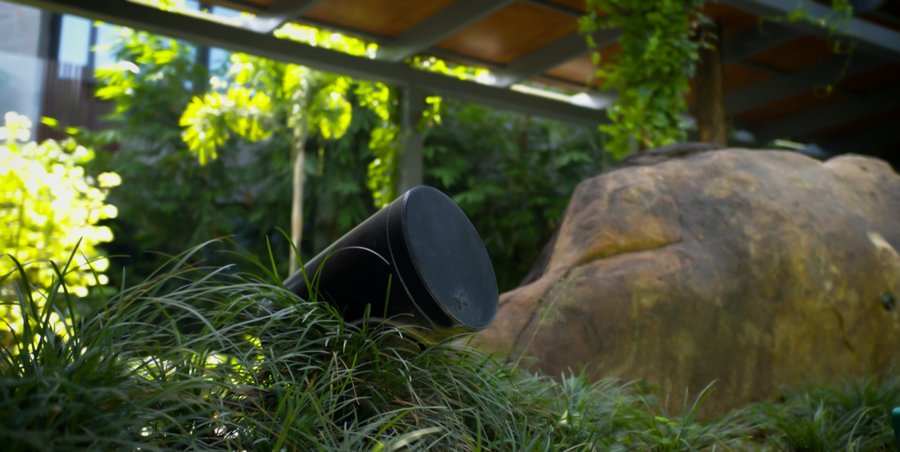
Wall-mount models such as the Camphor 6 and Camphor 8 fix to a building or boundary wall and cover a defined area from a fixed height. The Spirea is a ground-spike landscape speaker on a stainless steel stake, sited among planting where there is no wall to use — the usual answer for lawns and garden paths.
How much bass can an outdoor speaker produce?
The Camphor 8 reaches 30Hz and the Camphor 6 37Hz, which is substantial for open air. Where the space is large or bass needs to carry, the Banyan Pith is a dual 12-inch powered outdoor subwoofer running from 27Hz at 128dB maximum SPL.
Can outdoor speakers run on the same system as the indoor ones?
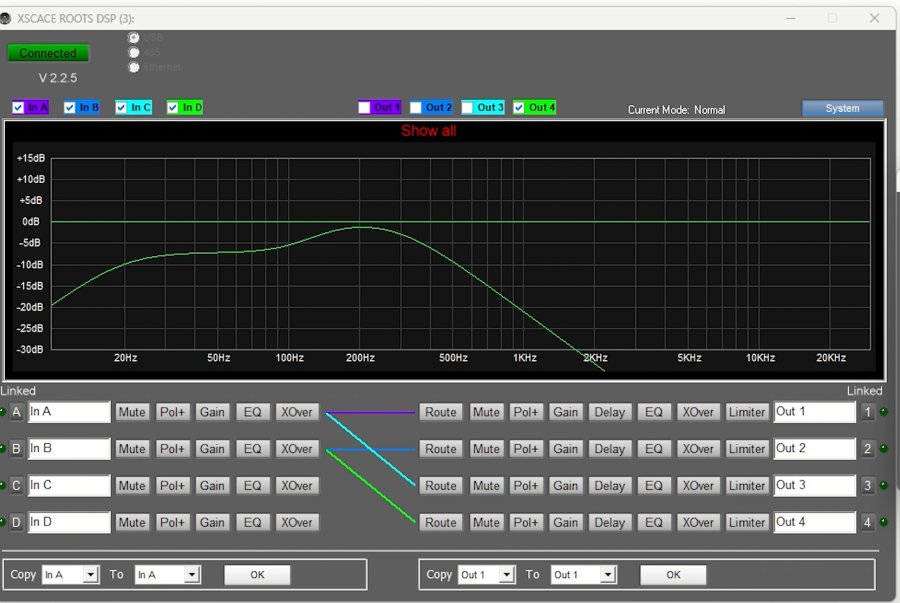
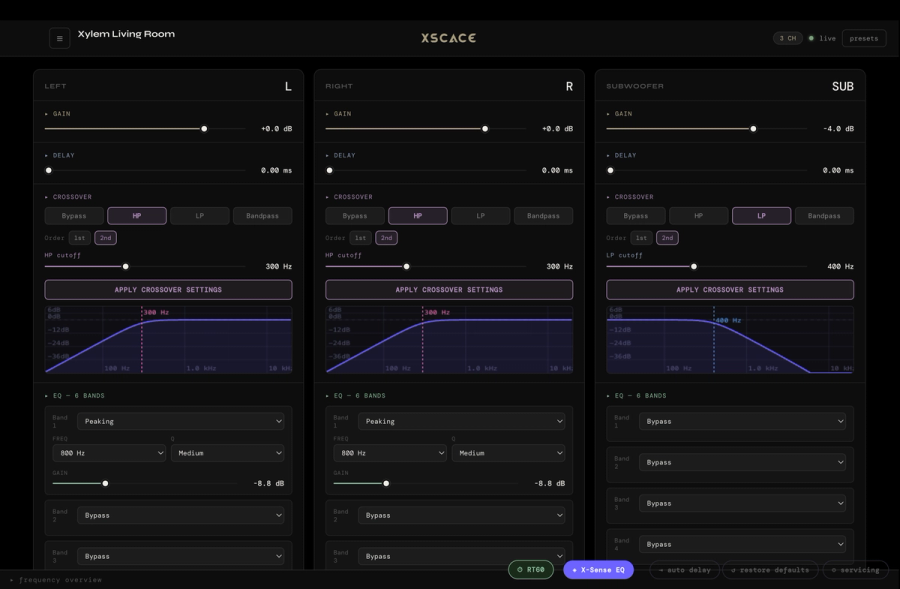
Yes, as a separate zone. Outdoor areas need different levels and often different EQ from the room they adjoin, so give them their own amplifier channels rather than sharing a pair — a Xylem or Root 4 amplifier handles the zoning and correction.
What decides where cable can go outdoors?
Trenching. Reaching a wall on the building is straightforward; reaching a point in open lawn means a trench, and that decides cost and layout more often than the acoustics do. Plan speaker positions alongside the landscaping, before planting and paving are finished.