Contents7 sections
Most architectural speakers on the market solve exactly one problem: fitting a driver into an enclosure thin enough to disappear into a wall or ceiling. That's a real engineering constraint, and it's worth solving — but it's the starting point of architectural audio, not the finish line.
Once you've accepted the brief of "driver in a thin enclosure," the interesting engineering work is everything that happens next: how bass extension is achieved despite the small cavity, whether output holds steady at volume, whether the enclosure manages heat or just traps it, and whether the crossover is built from matched, low-distortion components or whatever was cheapest to source. Two speakers can look nearly identical on a spec sheet — same frequency response range, same power rating, same 12-15mm depth — and be built on completely different engineering underneath. Here's what's actually worth comparing.
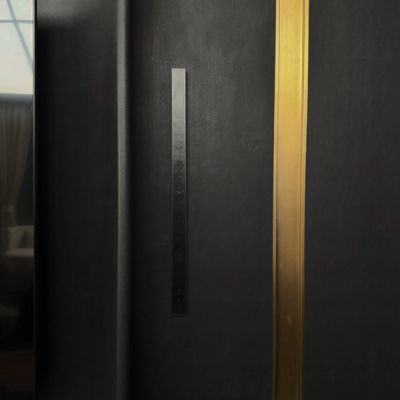
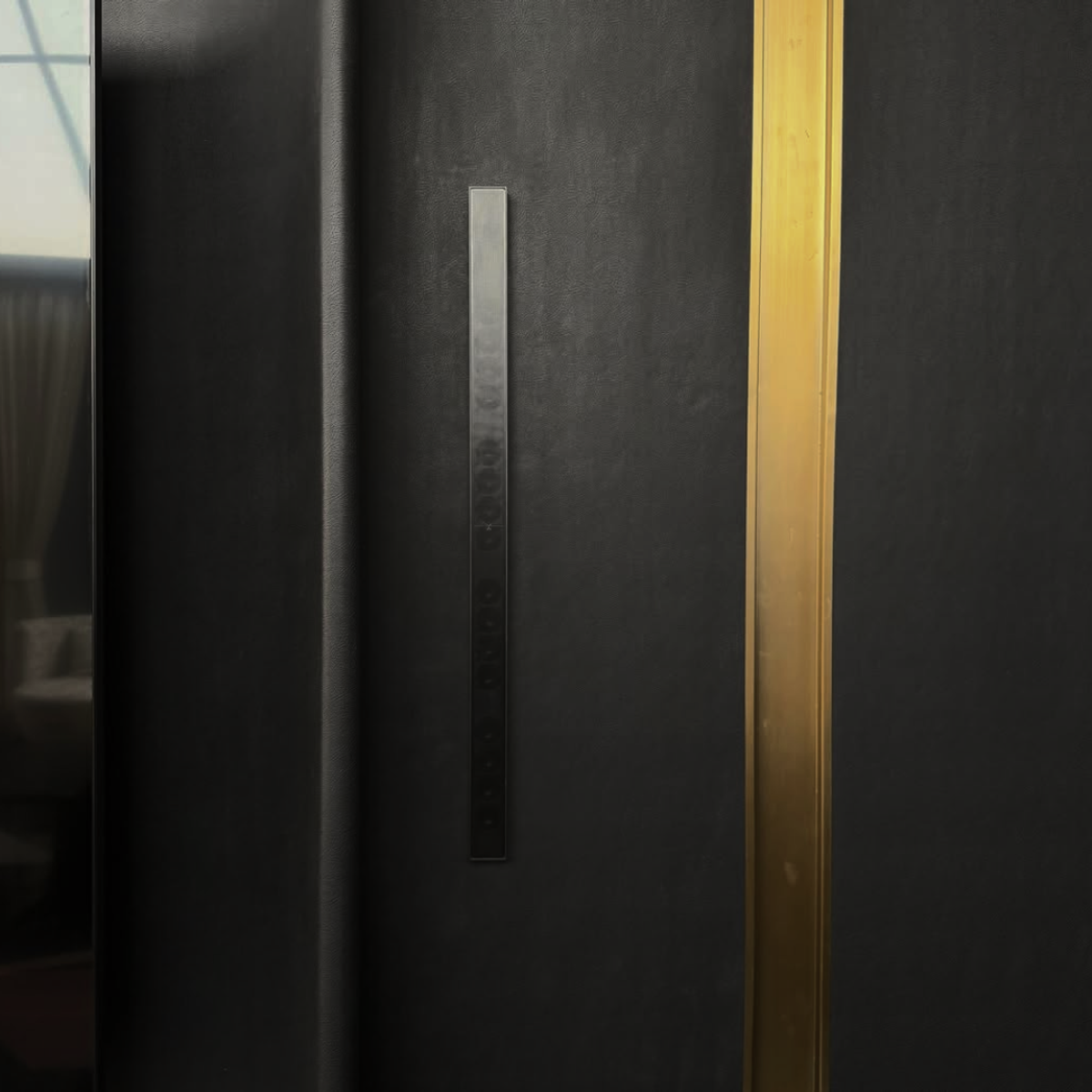
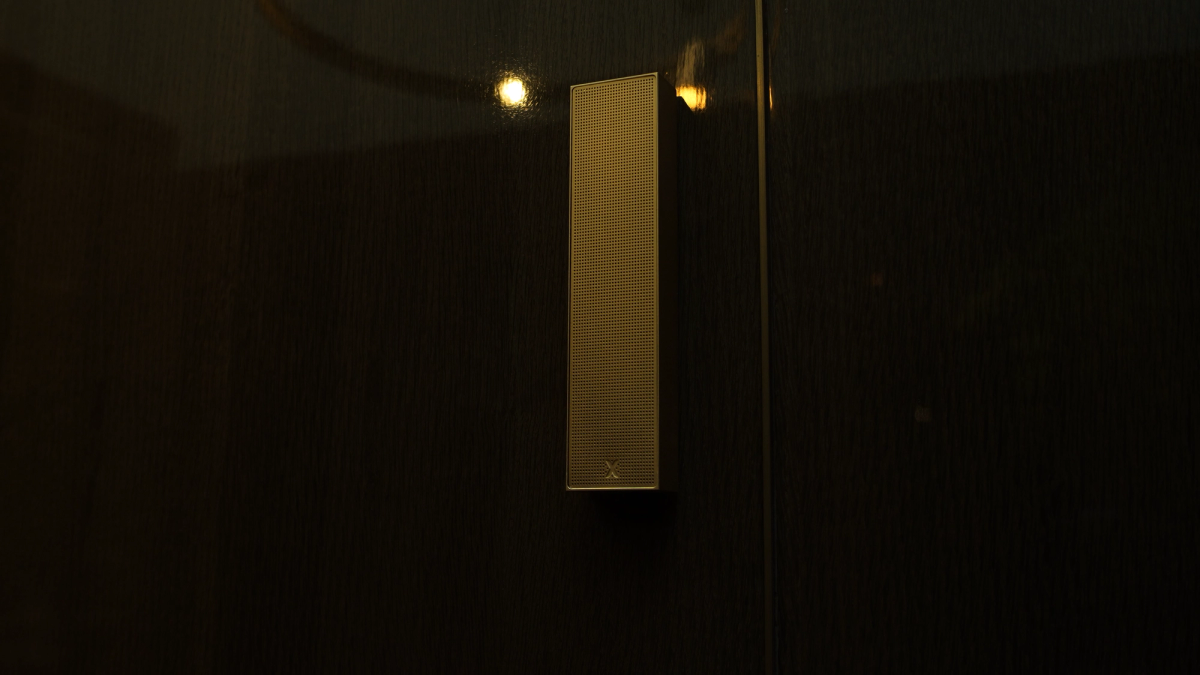
For scale: most premium architectural speakers on the market are 30-40mm deep at their thinnest, based on published manufacturer specifications. The XSCACE Bonsai measures 12mm — roughly a third of that — while still solving the engineering problems below rather than treating a thin enclosure as the finish line.
Bass Extension: Fighting the Physics, or Accepting the Trade-Off
Hoffman's Iron Law is a real constraint in speaker design: bass extension, efficiency, and enclosure size trade off against each other, and a smaller enclosure without further intervention means less bass. Most ultra-thin speakers simply accept that trade-off — the enclosure is thin, so the bass response published on the spec sheet is modest, and that's presented as an inherent limitation of the category. It doesn't have to be. XSCACE's Nano Resonance™ driver technology is engineered specifically to extend bass response beyond what the enclosure volume alone would predict, rather than treating the trade-off as fixed. When comparing brands, ask what specifically is done to address bass extension in a thin enclosure — "it's a small speaker" is not an answer, it's an excuse.
Thermal Compression: Does Output Hold at Volume?
A speaker that sounds full at background listening levels can measurably compress once pushed toward reference volume, because the voice coil heats under sustained power and its resistance rises, reducing output and dynamic range. This is thermal compression, and standard copper voice coils are more susceptible to it than composite designs built specifically to resist it. It's rarely on a spec sheet, and it's exactly the kind of degradation you won't hear in a five-minute showroom demo at moderate volume — you'll hear it after twenty minutes at a dinner party. XSCACE's PowerDense Dynamics™ uses a copper-silver composite voice coil specifically to keep DC resistance stable under continuous drive, holding output compression below 0.5dB at rated power.

Does the Enclosure Manage Heat, or Just Trap It?
A stamped aluminium or plastic enclosure is structurally inert — it holds the driver in place and does nothing else. Heat generated at the voice coil has nowhere to go but back into the enclosure, which is precisely what accelerates thermal compression. A machined chassis engineered as a heatsink is a different proposition entirely: it actively conducts heat away from the voice coil rather than trapping it nearby. XSCACE's AeroFrame Chassis™ machines 6061 aerospace aluminium into heatsink geometry specifically for this purpose — the enclosure is part of the thermal system, not just a housing. Ask any brand whether their enclosure is stamped or machined, and whether it's been engineered for thermal conductivity or simply for shape.
Crossover Component Quality: Air-Core or Iron-Core?
The crossover is the component every listener hears through and almost no buyer asks about. Iron-core inductors are cheaper and easier to manufacture, but the core saturates at higher power and introduces measurable distortion — the kind that shows up as harshness at volume rather than a specific, nameable fault. Air-core inductors avoid core saturation entirely but cost more and require tighter manufacturing tolerance to perform consistently. XSCACE's PrecisionXover Array™ uses hand-selected air-core inductors and polypropylene film capacitors matched to ±0.5dB tolerance across the crossover network. This is a fair, specific question to ask any brand: air-core or iron-core, and matched to what tolerance?
Diffraction Control in Ultra-Thin Enclosures
Sound doesn't radiate cleanly from a flat baffle — it diffracts off enclosure edges, and in an enclosure thin enough to be considered "ultra-slim," there's very little internal volume to control that diffraction acoustically. Most thin speakers don't address this at all; the internal cavity is simply empty space behind the driver. XSCACE's XS-Flow™ engineers the internal cavity itself as an acoustic waveguide, controlling directivity and reducing diffraction in enclosures as shallow as 12mm. This is a harder problem to solve than it sounds, and it's the reason two ultra-thin speakers with identical depth specifications can image completely differently in a room.
Room Correction: Built In, Bolted On, or Absent
Every room has a different acoustic signature — ceiling height, furnishing density, and reflective surface area all alter frequency response at the listening position, regardless of how accurate the speaker measures on a bench. Many systems either skip room correction entirely or require a separate external DSP processor and a specialist consultant to implement it, adding cost and a commissioning dependency. XSCACE's PsySculpt™ is psychoacoustic DSP built directly into the Xylem amplifier series, so room correction doesn't require external hardware or a dedicated calibration visit. Ask whether room correction is included, and if so, whether it requires equipment beyond the amplifier itself.
Six Questions to Ask Any Architectural Speaker Brand
- What specifically extends bass beyond the enclosure's natural volume?
- What keeps output from compressing under sustained volume?
- Is the enclosure machined to manage heat, or stamped and thermally inert?
- Are the crossover inductors air-core or iron-core, and matched to what tolerance?
- How is diffraction controlled in an ultra-thin enclosure?
- Is room correction built into the amplifier, or does it require external hardware and a specialist?
A brand that can answer all six with specifics — real numbers, named materials, measurable tolerances — has actually engineered the product past the point of "driver in a thin box." A brand that answers with marketing language ("premium sound," "audiophile-grade") on any of these six has not, and that's worth knowing before it's specified into a project.
See the full technical breakdown of all six XSCACE technologies on the technology page, or browse the full product range to see the specs for yourself.