Questions worth answering first
Frequently asked questions6 answers
How low do XSCACE subwoofers reach?
The Juniper 12-inch powered subwoofer reaches 25Hz at 350W with 119dB maximum SPL. The Acacia 10 models reach 35Hz and the Acacia 6 models 45Hz. Below about 30Hz you are into content that is felt rather than heard, which is where a cinema benefits most.
Powered or passive — which should I specify?
Powered where there is mains power at the subwoofer and you want the amplifier matched to the driver: the Acacia 10 Powered is 300W and the Acacia 6 Powered 200W. Passive where amplification is centralised in a rack, which keeps all the electronics in one serviceable place. Both reach the same low-frequency limit.
Can a subwoofer be hidden in the wall?
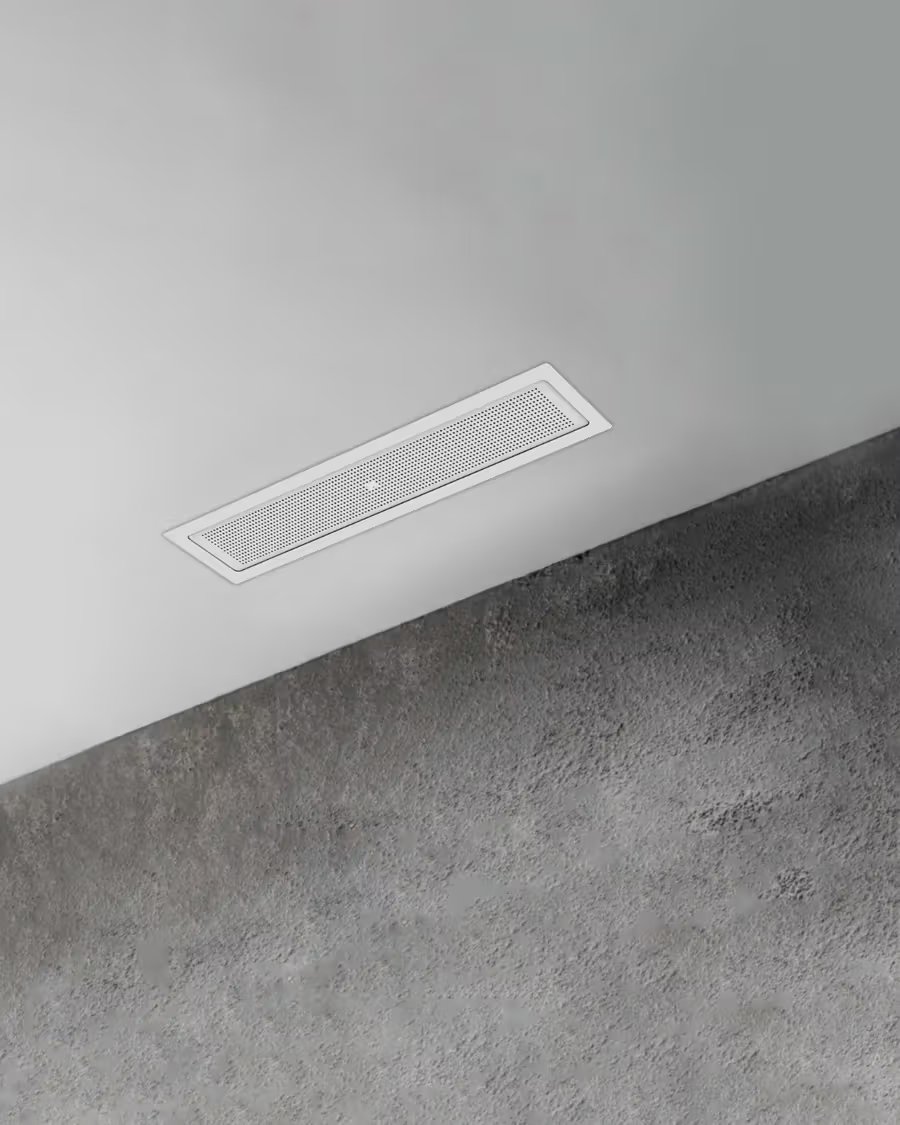
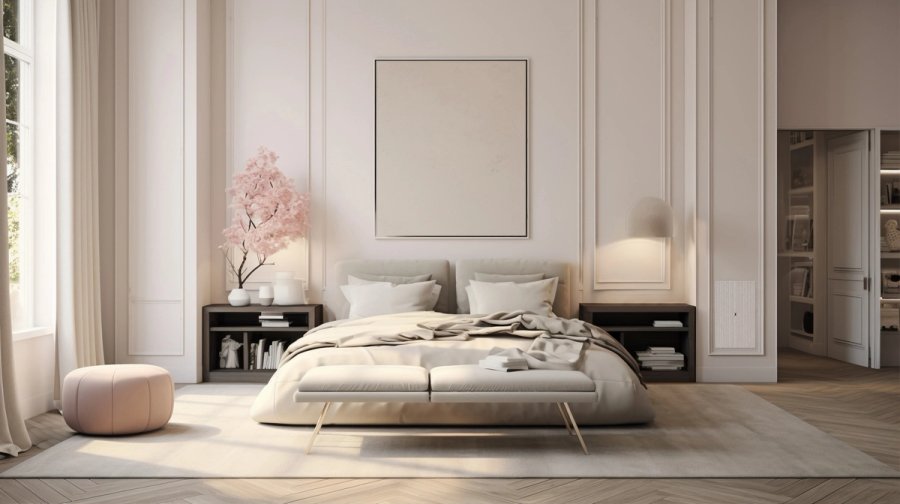
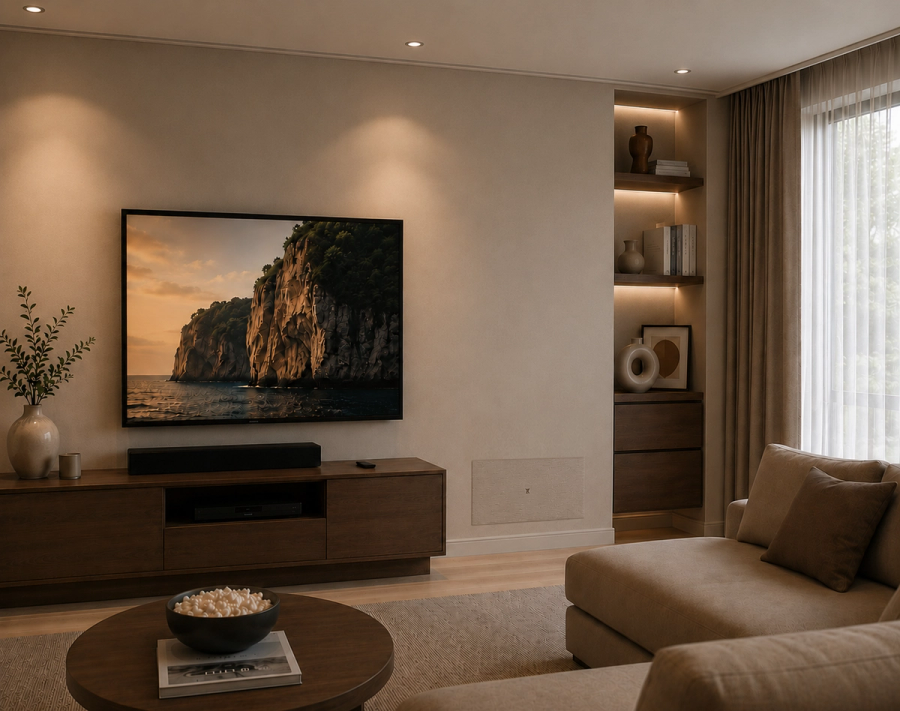
Yes — the Acacia 6 and Acacia 10 In-Wall Passive models install within the wall cavity, so the only visible element is the grille. They trade some output against a visible cabinet, which is the right trade in a room where a box on the floor is not acceptable.
How many subwoofers does a room need?
More than one wherever budget allows. Bass problems in a room are standing waves, which create seats with exaggerated bass and seats with almost none. Distributing two smaller subwoofers averages that variation across the seating far more effectively than one larger unit in a corner.
Where should the crossover be set?
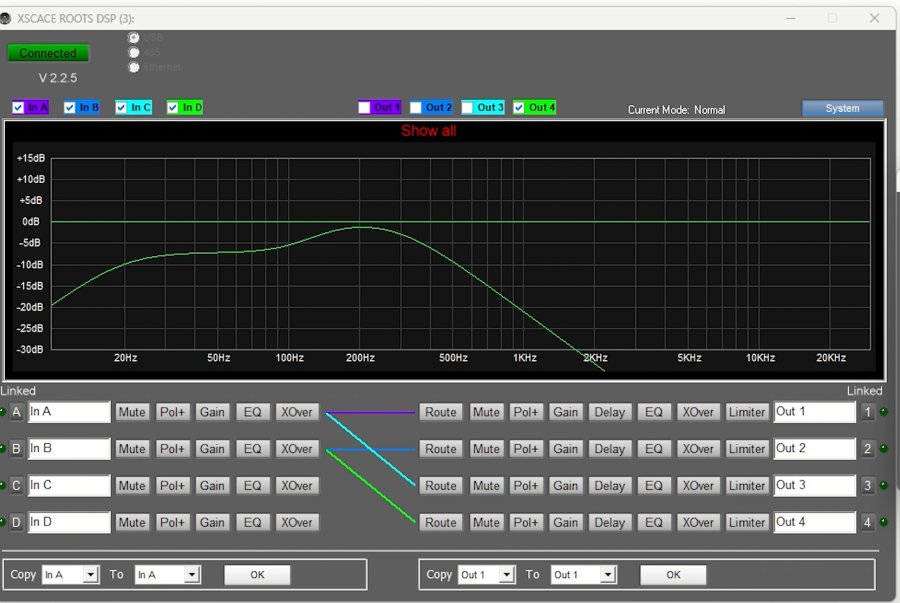
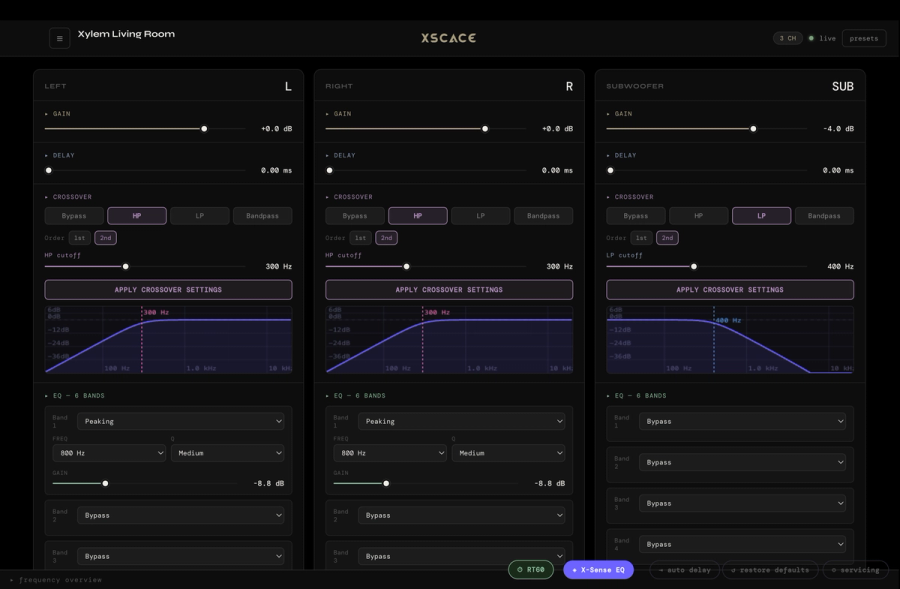
At the point where the main speakers stop being useful. For XSCACE slim arrays that is high — 300Hz for Bonsai, 200Hz for Cane and QuadCane, 100Hz for Cedar. For the in-ceiling and in-wall ranges it is typically 60–80Hz. Each product page states its recommended figure.
What amplifier does a passive subwoofer need?
The Acacia passive models are 4-ohm loads rated 150–200W RMS, so the amplifier must be rated for 4 ohms — a Lucifer or Root 4 provides 250W per channel and is comfortable driving them.