Questions worth answering first
Frequently asked questions6 answers
Which XSCACE amplifier suits a single-room system?
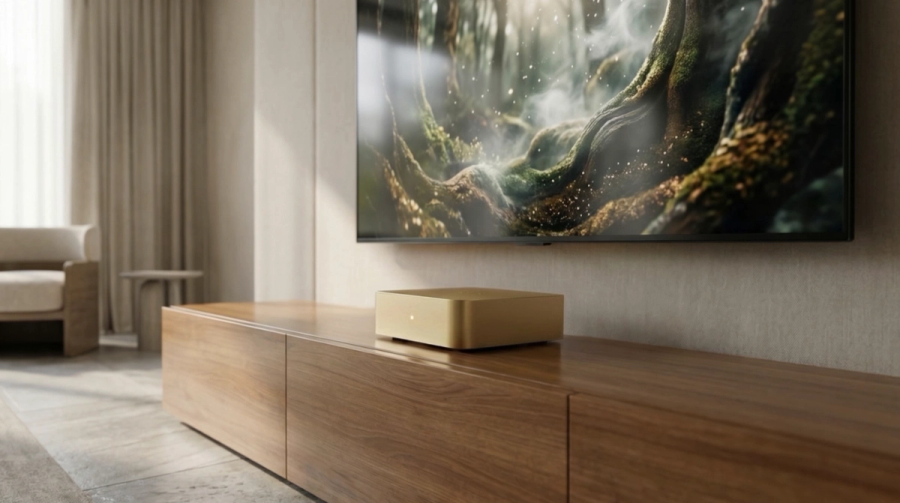
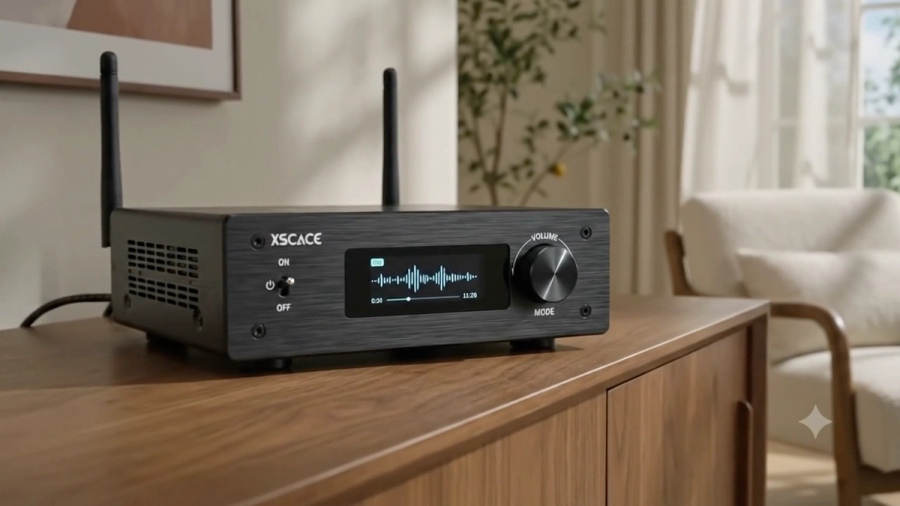
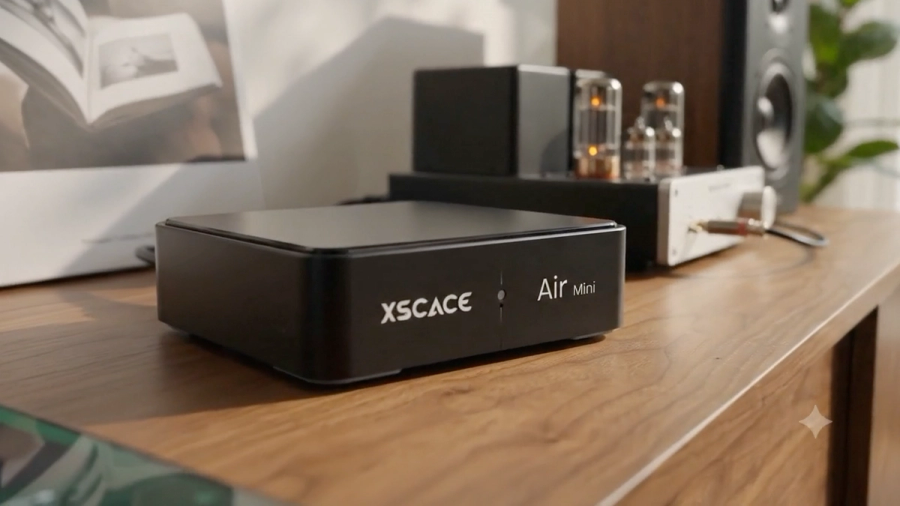
The Air Amp — 2×80W with AirPlay 2, Bluetooth 5.0 aptX HD, Spotify Connect, HDMI ARC and a 192kHz/24-bit DAC, so it is the streamer and the amplifier in one box. The Air Mini is the pre-amplifier version for feeding an existing power amplifier.
What is the difference between the Xylem, Root and Lucifer ranges?
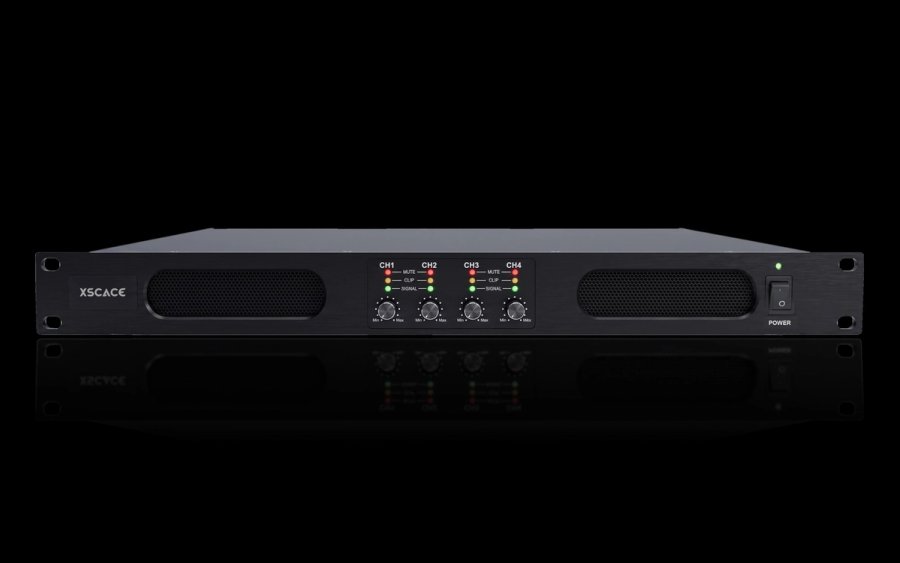
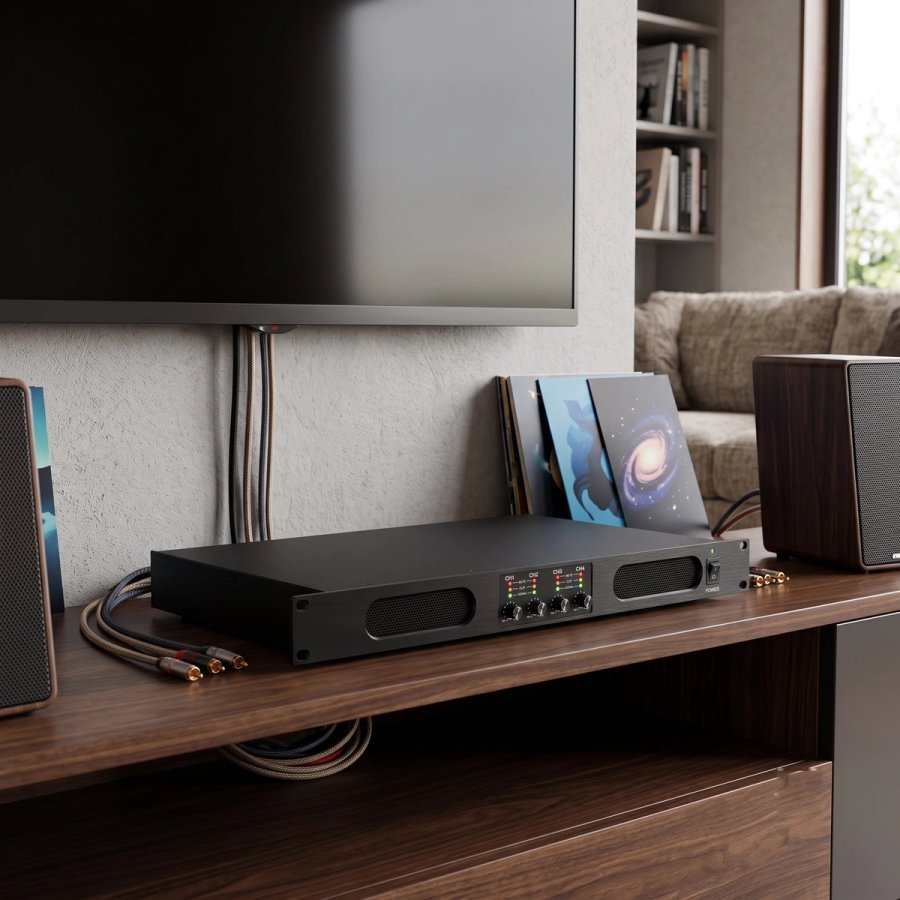
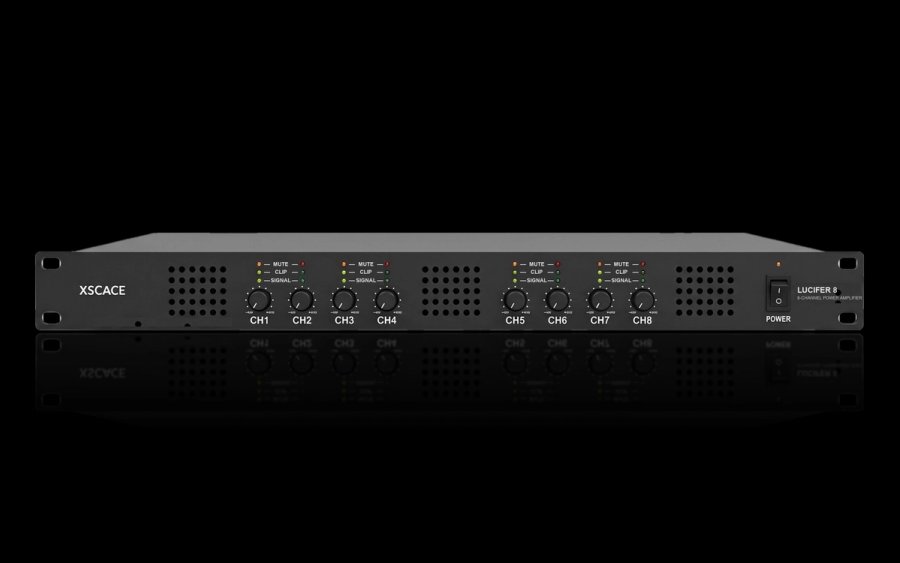
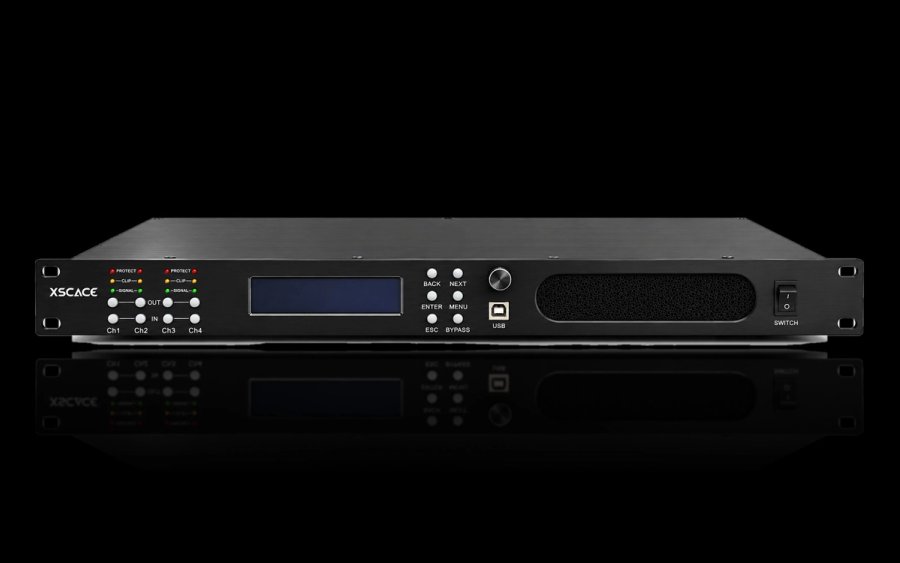
Job, not quality. Xylem 2, 3 and 4 are DSP amplifiers with network control — use them where the room needs correction. Root 4 is a four-channel rack power amplifier at 250W per channel for multi-zone work. Lucifer 4 and Lucifer 8 are the high-current power amplifiers for large systems, at 1000W and 2000W total.
How many amplifier channels does a home cinema need?
One per speaker, plus subwoofer outputs. A 5.1.2 layout needs seven amplified channels; 7.1.4 needs eleven. Count the speakers before choosing between a Lucifer 4 and a Lucifer 8, and check the amplifier is rated for 4 ohms if you are using Oak or Ghost 2.0.
What does the DSP actually do?
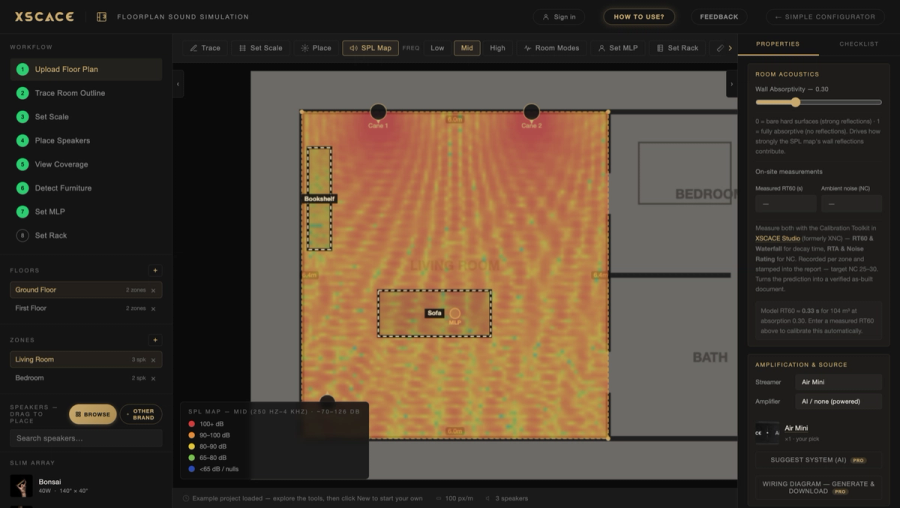
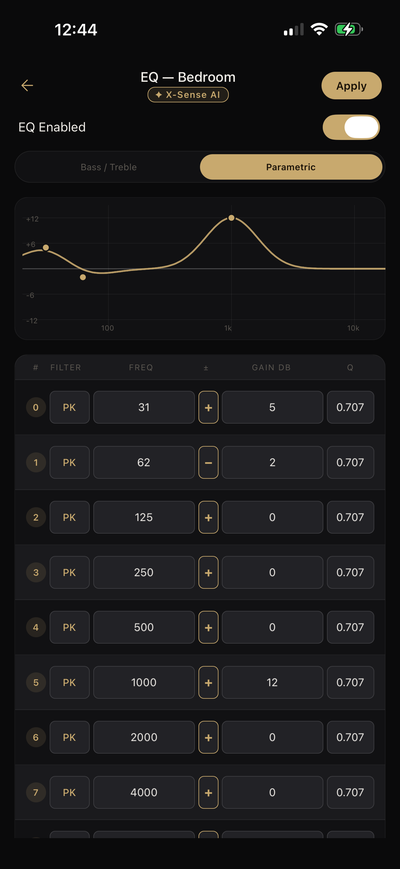
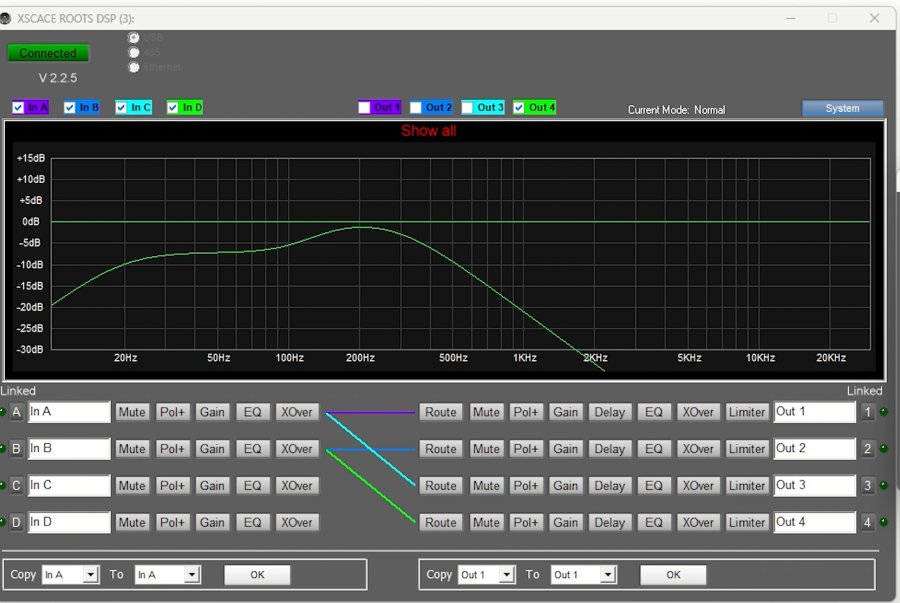
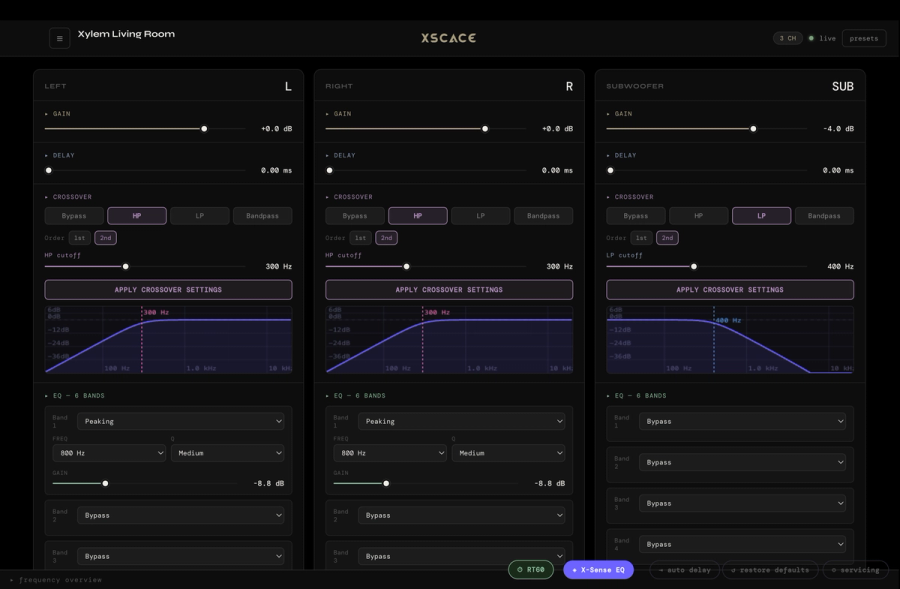
Parametric EQ, crossover and per-channel delay, configured from XSCACE Studio on Mac or Windows over the network. In practice it corrects for what the room does to the sound — a hard-surfaced room, a speaker forced into a compromised position, or a subwoofer that needs time-aligning to the mains.
Can these amplifiers drive multiple zones?
Yes. Root 4 and Xylem 4 give four independent channels, so two stereo zones each with its own level and EQ; the Lucifer 8 extends that to eight. Give each zone its own channels rather than paralleling speakers, which is what keeps levels independent.
Do I need a separate streamer?
Only if the amplifier does not have one. The Air Amp and Air Mini stream natively. The Xylem, Root and Lucifer ranges are amplification and processing, so they take a source — commonly an Air Mini, a matrix, or a control system output.