Banyan Pith
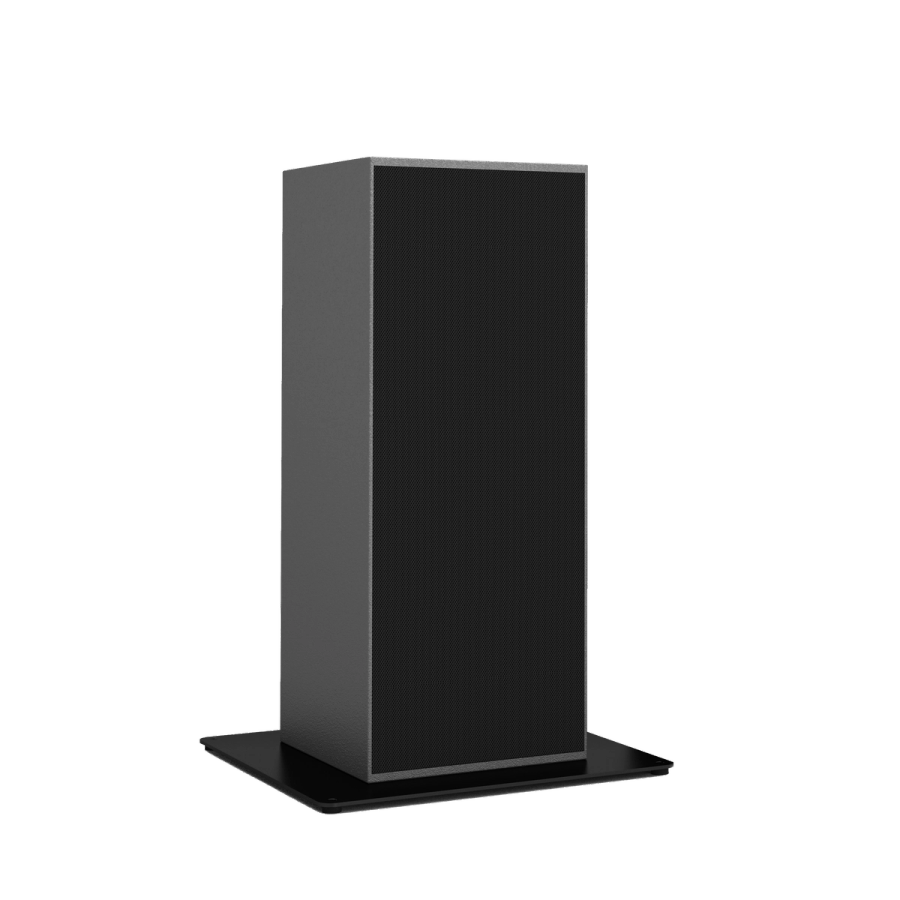
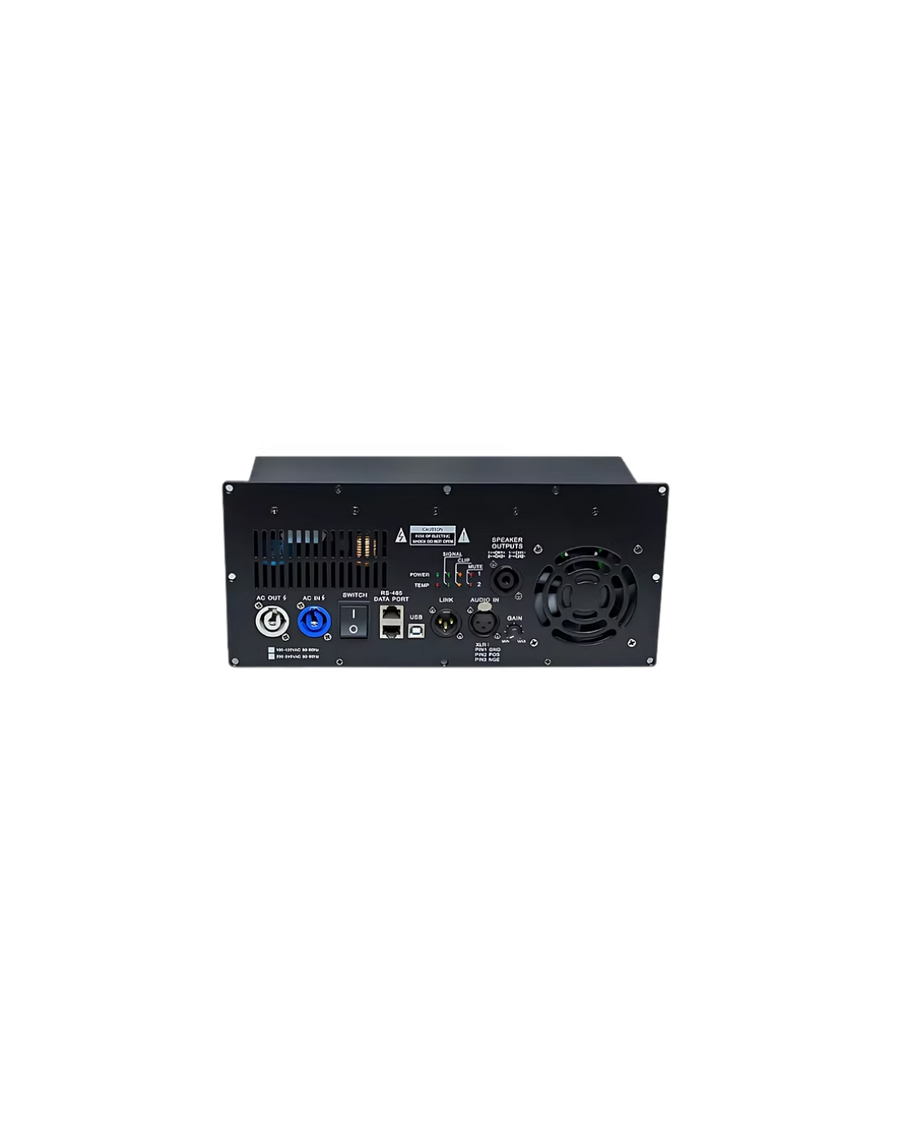
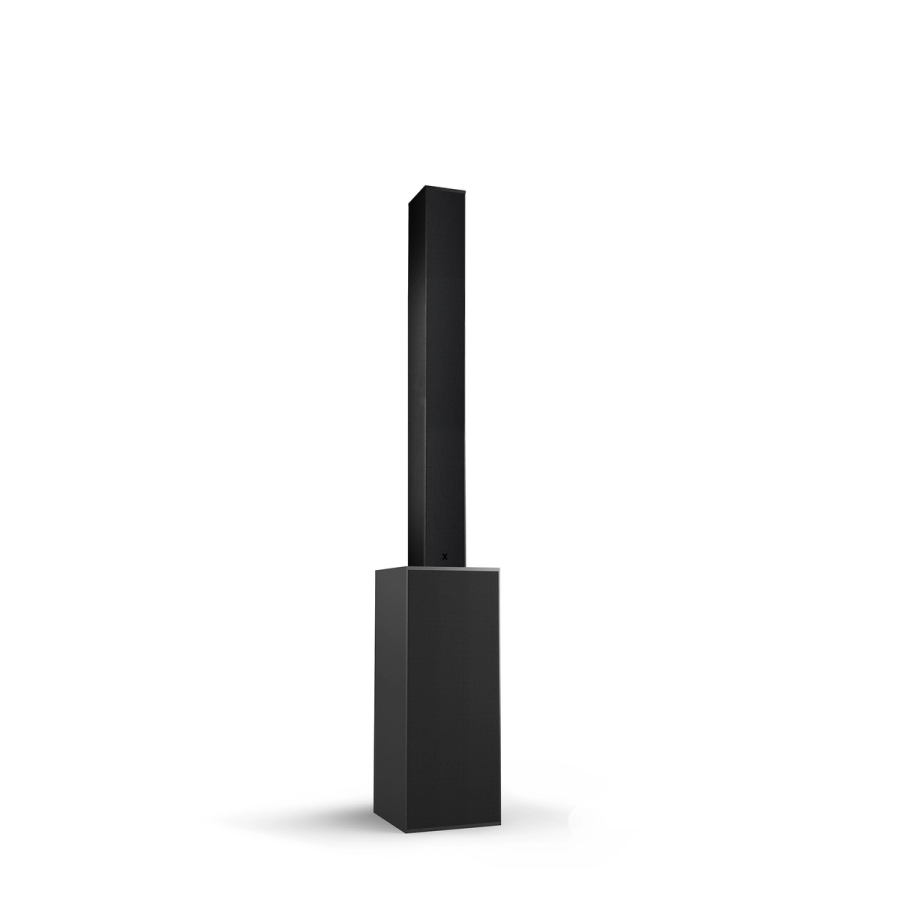
Banyan Pith delivers deep bass down to 27Hz with dual 12 inch drivers and a built-in 2-channel SigmaStudio DSP module. Powers the Banyan Canopy. Part of the Banyan Set.
Pricing is quoted by your regional distributor. Find yours →
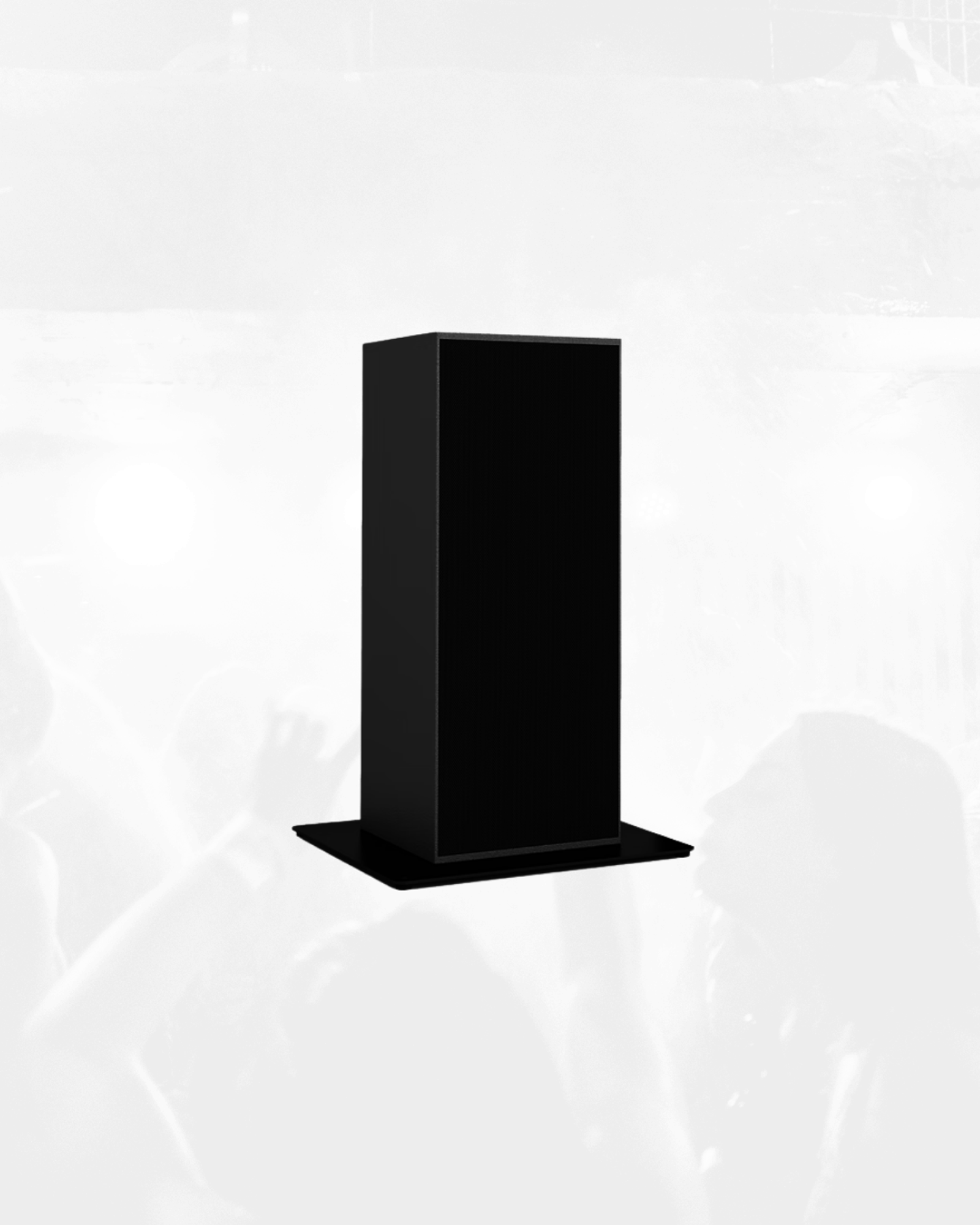
Two cabinets.
One complete system.
The Banyan Pith and Banyan Canopy are engineered as a pair. Every crossover point, every SPL alignment, every DSP preset is calibrated for this combination.
Built-in DSP Amplifier
3× 1.5″ Compression Driver
+ Waveguide
The amplifier
is the subwoofer.
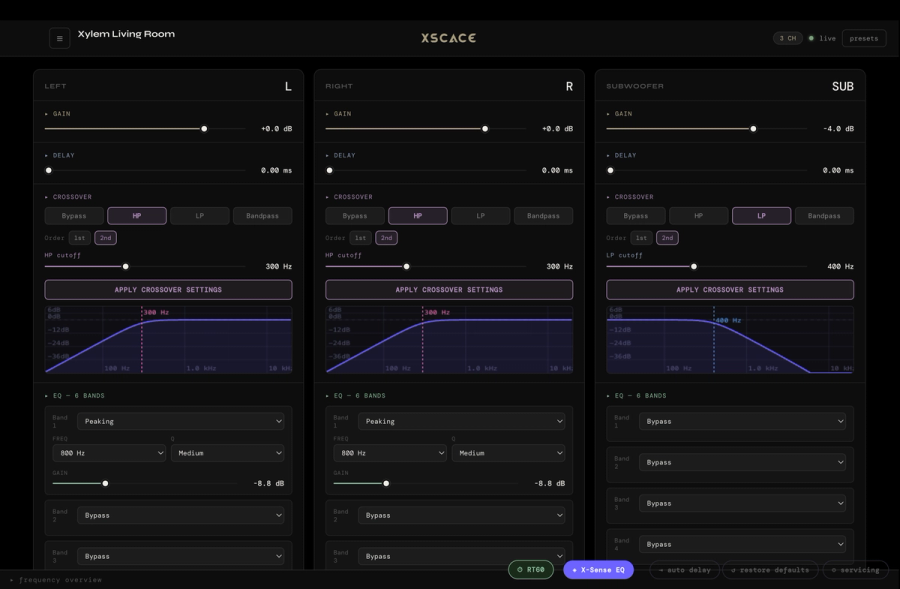
Controller App
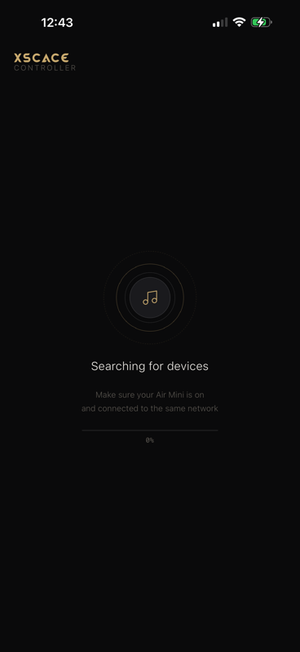
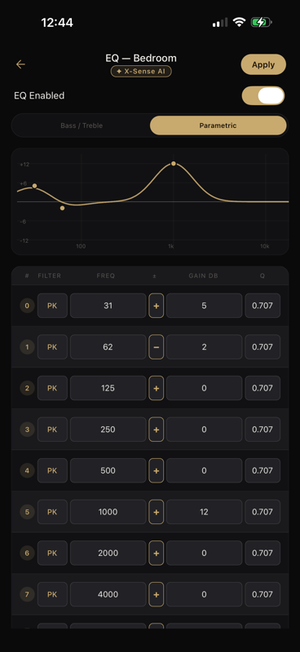
Connect to the Banyan Pith over your local network. Adjust parametric EQ, crossover frequency, output delay, and channel routing in real time — without touching the hardware.
Contents7 sections
Technical Specifications
Frequency Response & Directivity
Built different. By design.
Built to work together
Common installations
Engineering notes.
Engineering notes and technical background on the Banyan Pith — how it is built, measured and configured.

Banyan Pith in context

Frequently asked questions9 answers
What is the XSCACE Banyan Pith?
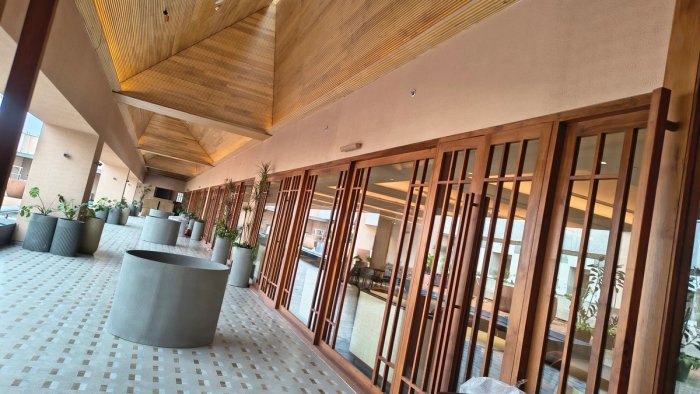
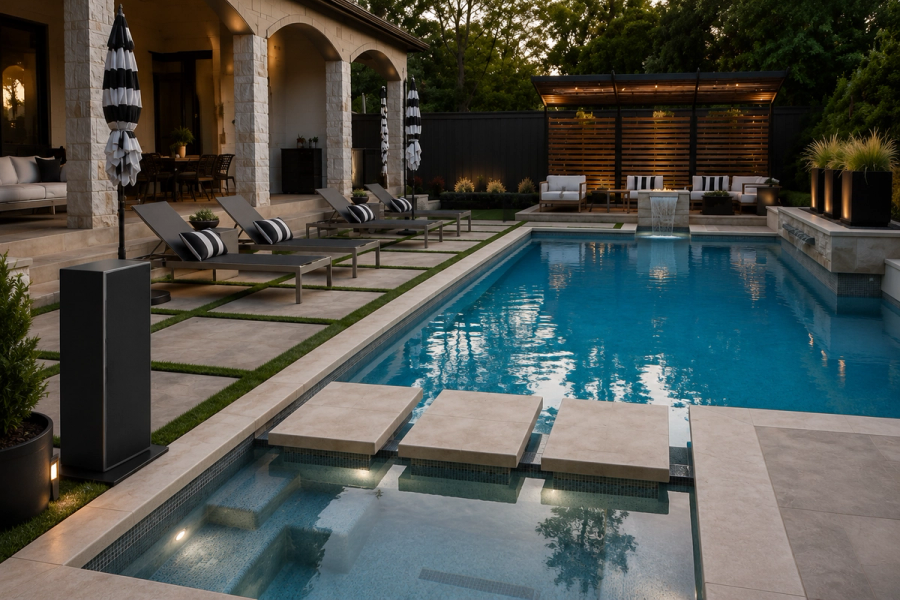
Specified for luxury outdoor audio at private residences, resort pool areas, rooftop venues, and large-format hospitality installations in Canada, the UK, India, and globally.
What is the frequency response of the Banyan Pith?
The Banyan Pith covers 27Hz–200Hz (–6dB).
What is the power output of the Banyan Pith?
The Banyan Pith is rated at 1200W RMS into 4Ω.
Is the Banyan Pith an in-ceiling, in-wall, or slim-array speaker?
The Banyan Pith is an outdoor product.
What DSP does the Banyan Pith use?
SigmaStudio programmable — 2 channels (sub + top). USB front port, 2× RS485 RJ-45 rear.. Every crossover, EQ band, delay and limiter runs on that processor and is set from Banyan DSP Software + SigmaStudio over the network; the configuration is stored on the amplifier itself.
What does PsySculpt do on the Banyan Pith?
PsySculpt is equal-loudness compensation running continuously on the DSP. A log-decay peak detector tracks programme level and drives low and high shelving filters from it, so perceived tonal balance stays constant as volume changes, with a level-tracked bass stage and a hard ceiling before the converters. It is not room correction — room correction is measured and applied in XSCACE Studio.
Can a room calibrated on the Banyan Pith be verified against CEDIA RP22?
Yes. Banyan DSP Software + SigmaStudio includes a CEDIA RP32 verification checklist. CEDIA/CTA-RP22 defines four objective performance levels a room can be designed to, and CEDIA RP-32 is the companion practice for measuring and verifying whether it reached one. Set the target RP22 level and the room volume, and each parameter is marked pass or fail against RP22's table for that level — interchannel level and time, polarity, sub integration, background noise floor as an NCB rating, in-room bass extension, response below the transition frequency, early reflections against the direct sound, and reflection decay time to ISO 3382-1. Parameters needing a test the current version does not run are marked "not measured" rather than assumed, and the exported client report states that this is measurement to RP32 practice rather than a certification.
Do the Banyan Pith settings survive a power cut?
Yes. Gain, EQ, crossover, delay and limiter settings are held in non-volatile memory on the amplifier, so it returns to the configured state after any power event or firmware update.
How deep is the Banyan Pith?
The Banyan Pith requires 333mm of depth.