Contents7 sections
A 22×18ft luxury dining room is an easy space to get wrong: big enough that a single soundbar leaves the far end of the table under-served, small enough that an over-specified system just adds visual clutter to a room built around a feature wall and artwork. The brief for this XSCACE installation was specific — fine dining background music, social gatherings, and occasional festive entertaining — delivered without a single visible black box.
The System: 2.1 Stereo, Three Real Parts
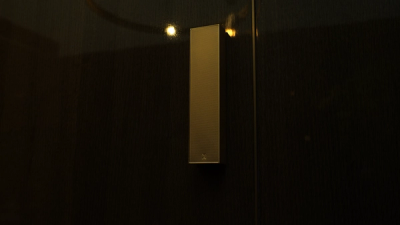
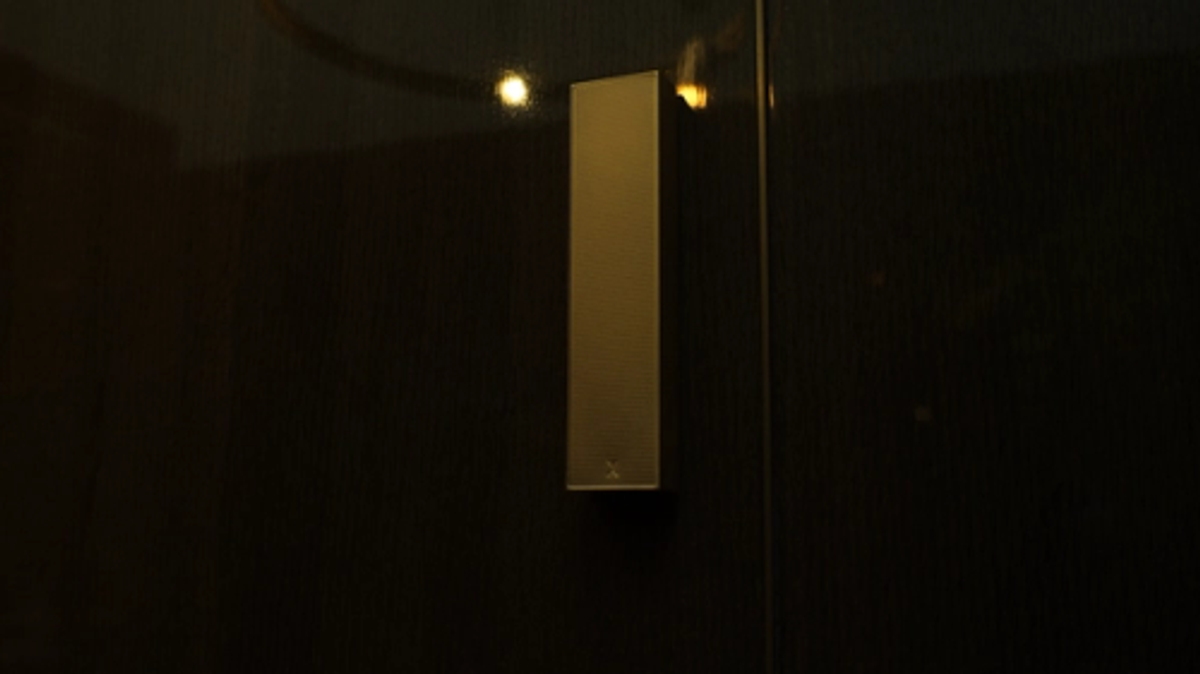
- A matched pair of XSCACE Cane slim array speakers — 23mm deep, wall-mounted either side of the dining room's feature artwork
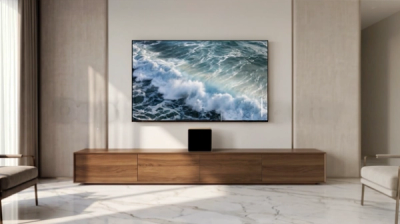
- One XSCACE Acacia 10 Powered subwoofer, handling everything below what the Cane pair can reproduce
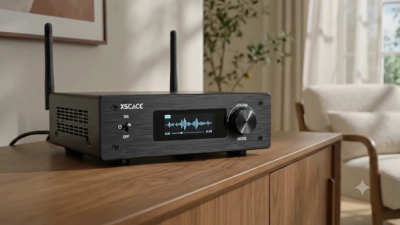
- One XSCACE Air Amp, 2-channel, driving the stereo pair
Why a Subwoofer Is Non-Negotiable Here
Cane is rated 150Hz–20kHz — accurate and detailed through the vocal and instrumental range, but physically incapable of reproducing anything below that regardless of amplifier power. The Acacia 10 Powered is rated 35–300Hz, so the two ranges overlap comfortably around 150–300Hz rather than leaving a gap. Without the sub, this system would sound thin and bright; with it, low piano notes, bass lines and the low-frequency warmth of a room full of conversation and clinking glasses all have somewhere to go.
The Amplifier Math
The XSCACE Air Amp is rated 80W RMS per channel at 8Ω across its two channels. Each Cane is rated 50W RMS at 8Ω with a sensitivity of 92dB — meaning it reaches high output at relatively low input power. Running a 50W speaker from an 80W-per-channel amp is deliberate headroom, not a mismatch: the amplifier stays well under its ceiling during normal dinner-party listening, which is what keeps dynamic peaks — a toast, a change in the music, a burst of laughter picked up by nobody but implied in mix loudness — clean instead of compressed.
Placement: Beside the Art, Not Instead of It
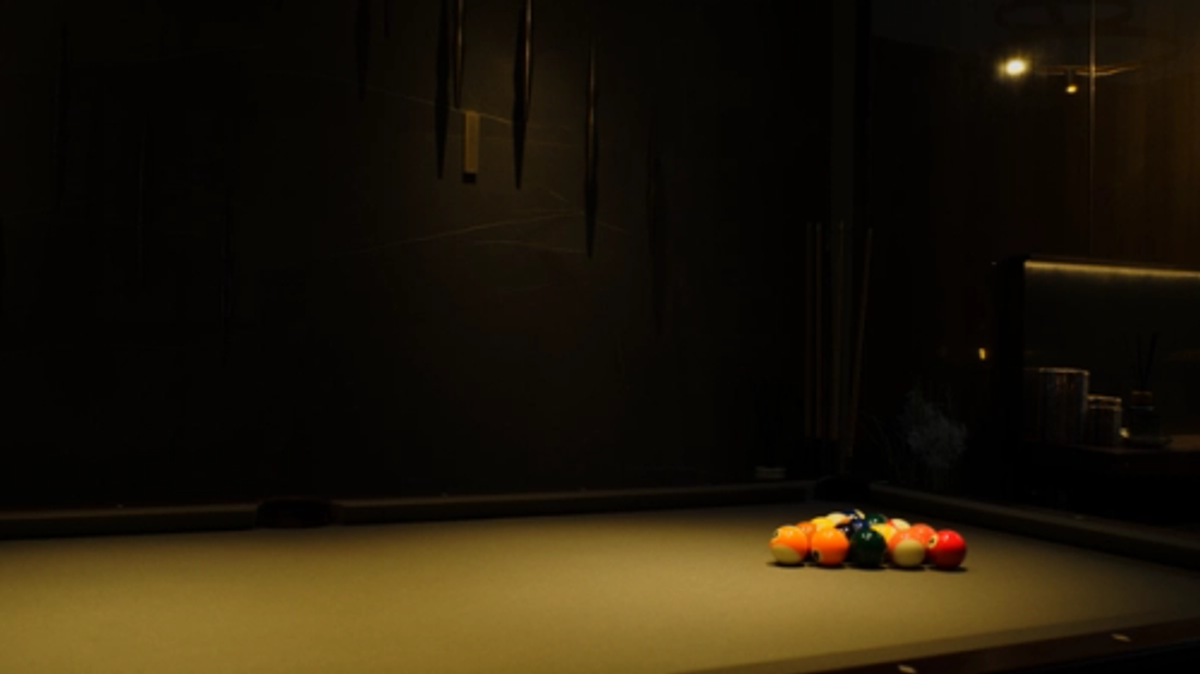
The pair sits wall-mounted either side of the room's feature artwork — in this room, a large framed tapestry depicting a procession of decorated elephants — rather than centred as a single soundbar-style unit. Two real stereo channels either side of a visual anchor point does two things a single central speaker can't: it preserves an actual left/right image — you can place where a sound is coming from, not just hear that a sound exists — and it keeps the wall visually symmetrical instead of adding one more object competing with the art for attention. At 23mm deep, each Cane reads as a shadow line beside the frame rather than a fixture in its own right, sitting quietly against the room's warm wood panelling and the white upholstered dining chairs below.
The Result
Balanced, room-filling 2.1 sound across a 22×18ft dining room, covering everything from quiet background music through a full dinner party, with no visible speaker cabinet and no compromise to the room's minimalist design intent. The full write-up of the design brief, use case and goal is summarised below.
Case Study at a Glance
- Room: Luxury dining room, 22×18ft
- Use case: Fine dining, background music, social gatherings
- System: 2.1 stereo — 2× XSCACE Cane, 1× Acacia 10 Powered, 1× Air Amp
- Placement: Wall-mounted either side of the feature artwork
- Goal: Immersive, balanced sound without compromising the room's minimalist design
See the full spec sheet for the XSCACE Cane, or plan a system like this one yourself with the free Floorplan Sound Simulation tool.
Planned, controlled and calibrated around conversation
Every XSCACE installation follows the same three stages: planned in the simulator, controlled from the app that matches the hardware, and calibrated with measurement. A dining room carries music underneath conversation, so intelligibility matters more than impact.
Planned
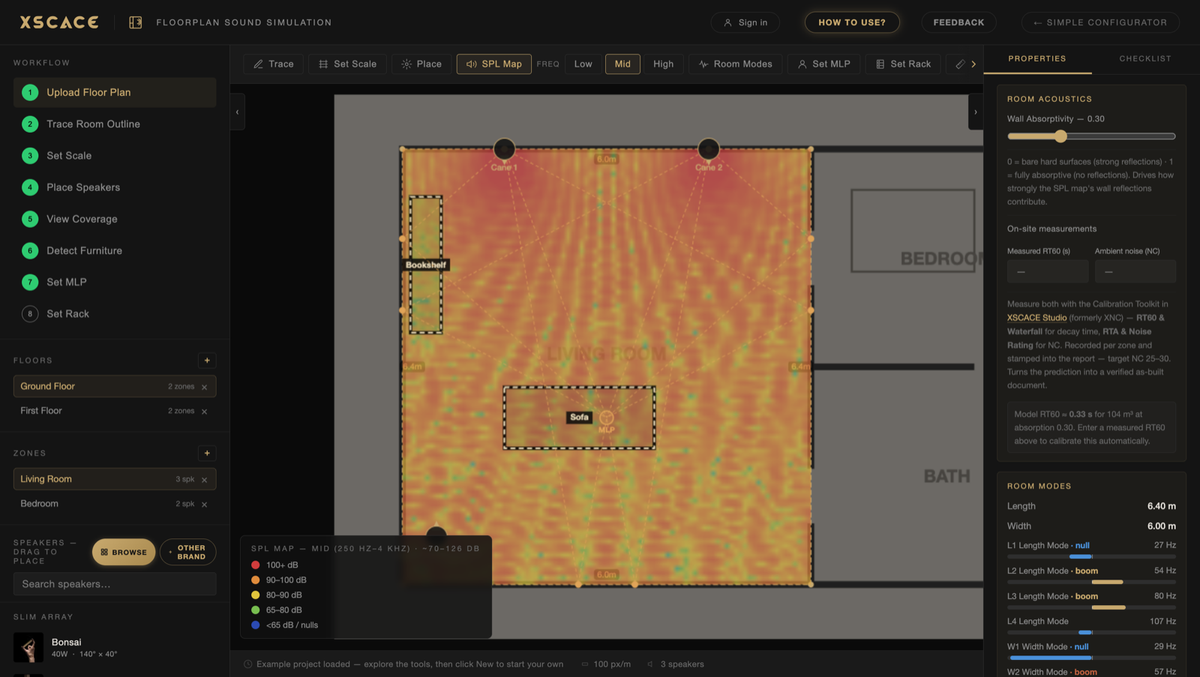
XSCACE Floorplan Sound Simulation takes a plan from trace to bill of quantities in the browser. For a room like this the outputs that matter are:
Coverage along the length of the table, evenly
Reflections located, since hard tables and glazing colour speech
Quantities agreed alongside the lighting plan
Controlled
Day-to-day control is XSCACE Controller on iOS and Android. It handles volume, EQ and grouping, and the streaming amplifiers also appear natively as AirPlay 2 and Spotify Connect targets, so the app is for control rather than for getting audio into the room.
Calibrated
The calibration toolkit inside XSCACE Studio measures what the room actually does — eleven instruments covering SPL, delay, levels, polarity, frequency response, THD, sub alignment, transfer function, RT60, RTA and export, free on macOS. Here the ones that earn their place are:
SPL at each end of the table, matched
RT60 to ISO 3382, which predicts whether conversation will be comfortable
Levels matched so no diner sits under a hotspot
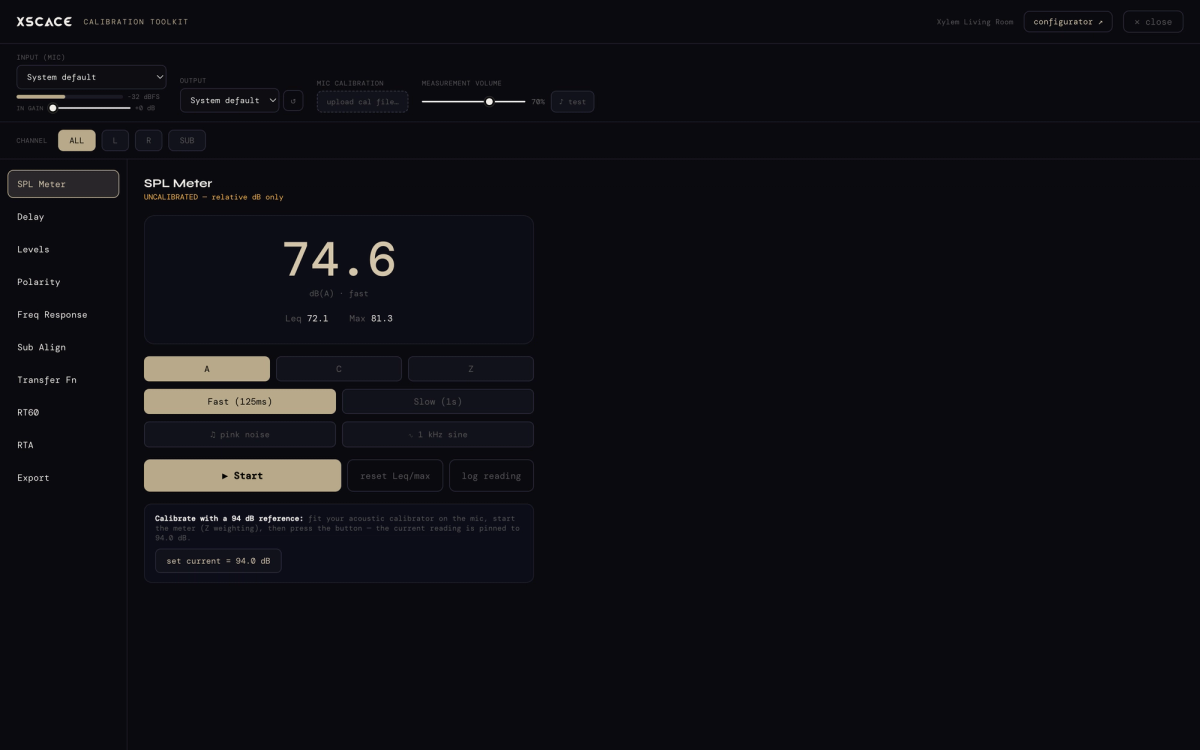
Cane runs down to 150Hz against Acacia 10 Powered's 35Hz, and the two records recommend different crossover points (200Hz and 300Hz). Which suits the room is a measurement, not a preference.