Contents4 sections
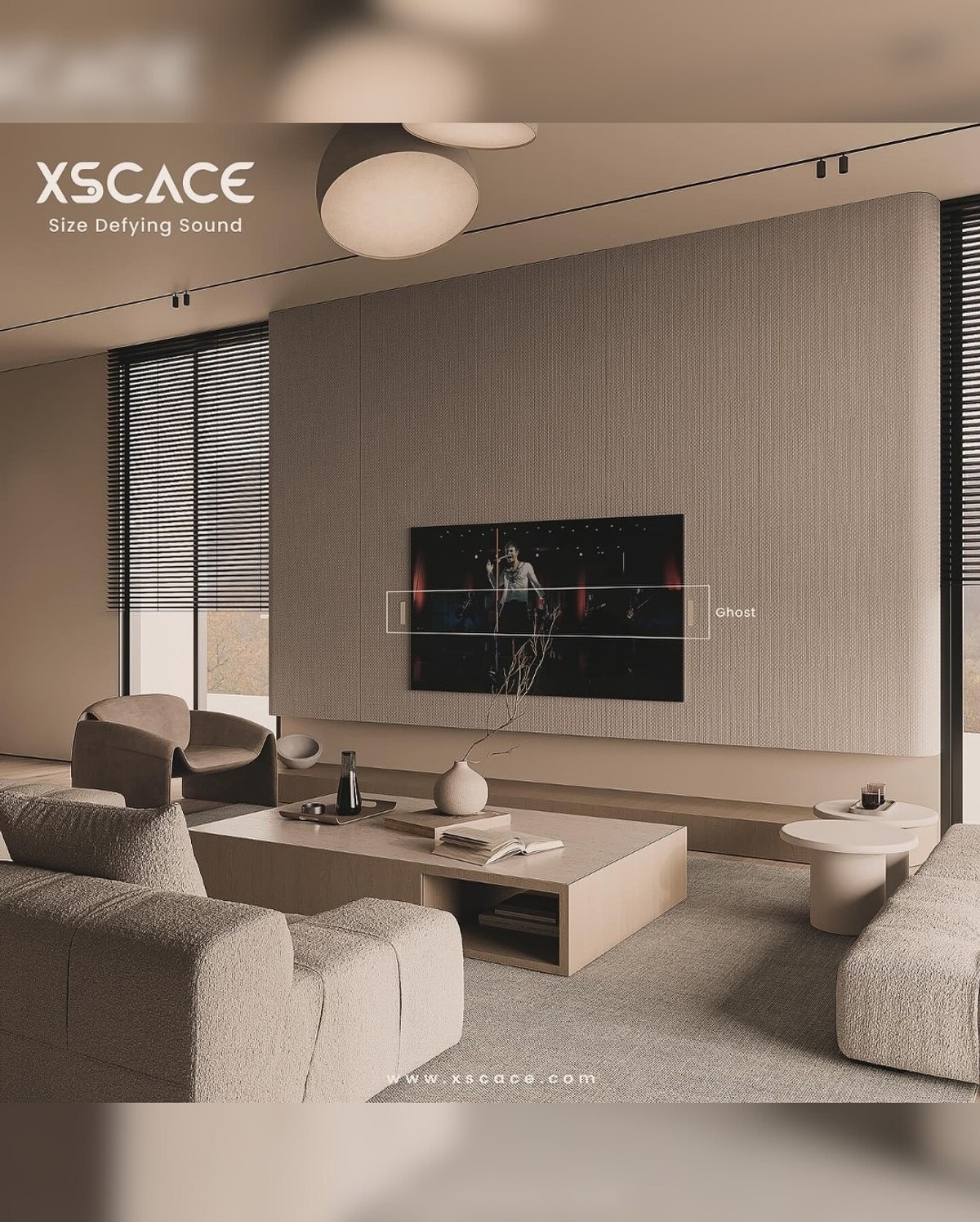
A contemporary media room asks for two things that usually fight each other: a rich, surround-sound experience for movies, and a clean, modern interior with nothing visually competing with the TV wall. This 16×18ft living room, finished in warm textured panelling, was built around XSCACE Ghost 2.0 to deliver both.
The System
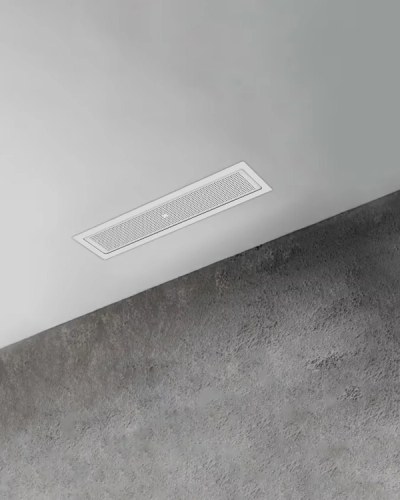
- XSCACE Ghost 2.0, centrally wall-mounted beside the TV panel for seamless visual integration
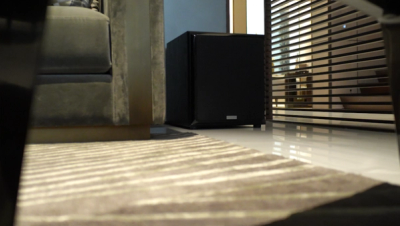
- One XSCACE Juniper subwoofer
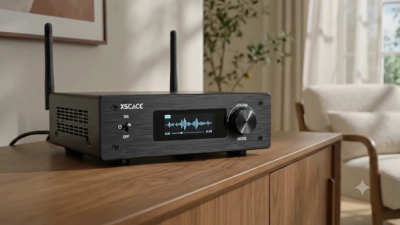
- One XSCACE Air Amp
A Lower Crossover, By Design
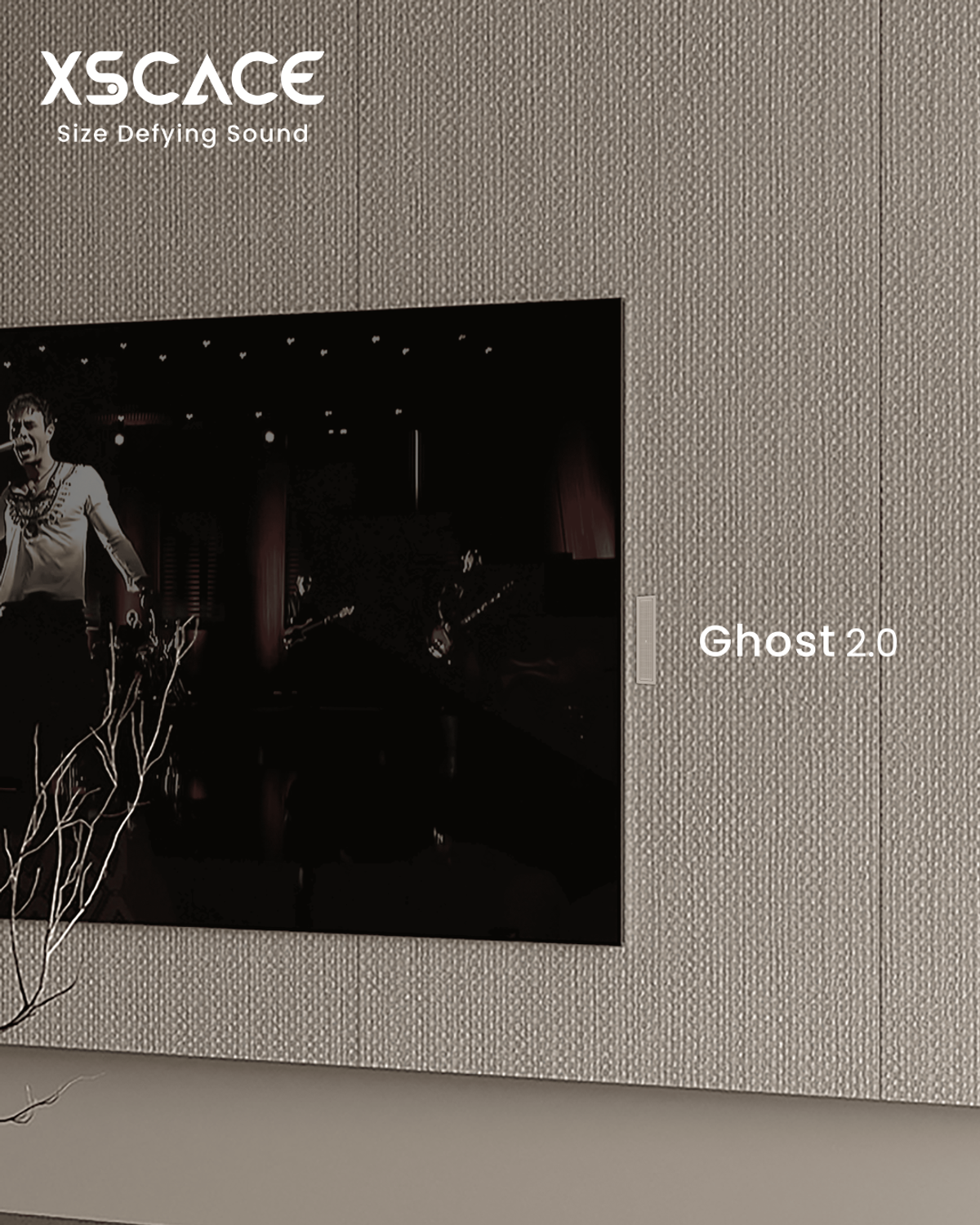
Ghost 2.0 is rated 80Hz–20kHz — a substantially deeper low end than XSCACE's slim array speakers — which means the Juniper subwoofer, rated to 25Hz, only has to cover the octave and a half below that rather than the much wider gap a slim array plus sub combination has to bridge. That narrower handoff between speaker and subwoofer is a genuine reason to reach for a Ghost-class speaker specifically when a room's brief is cinematic surround sound rather than ambient background listening.
Case Study at a Glance
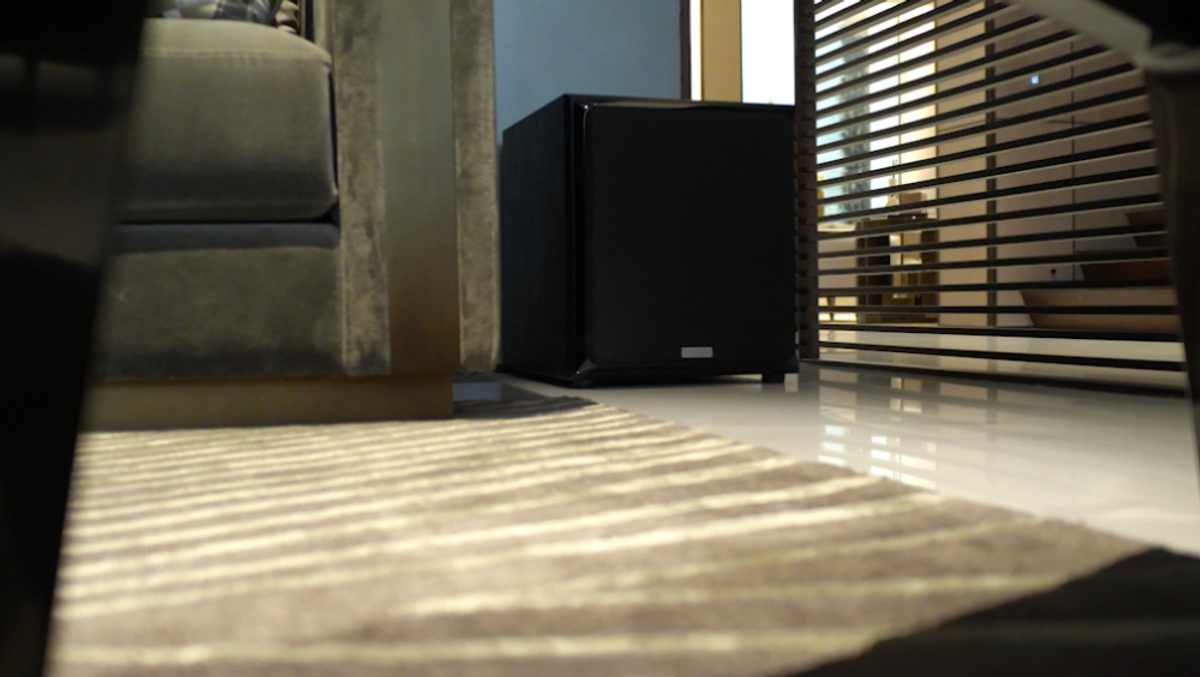
- Room: Media room / contemporary living room, 16×18ft
- Use case: Immersive entertainment and ambience
- System: XSCACE Ghost 2.0, Juniper subwoofer, Air Amp
- Placement: Centrally wall-mounted beside the TV panel
- Goal: A rich, surround-sound experience for movies and casual listening without disrupting the clean, modern interior
See the full spec sheet for XSCACE Ghost 2.0, or read the home cinema case study for a full dedicated theater build.
Planned, controlled and calibrated
Every XSCACE installation follows the same three stages: planned in the simulator, controlled from the app that matches the hardware, and calibrated with measurement. A living room has one or two seats that matter and a great many surfaces that do not cooperate.
Planned
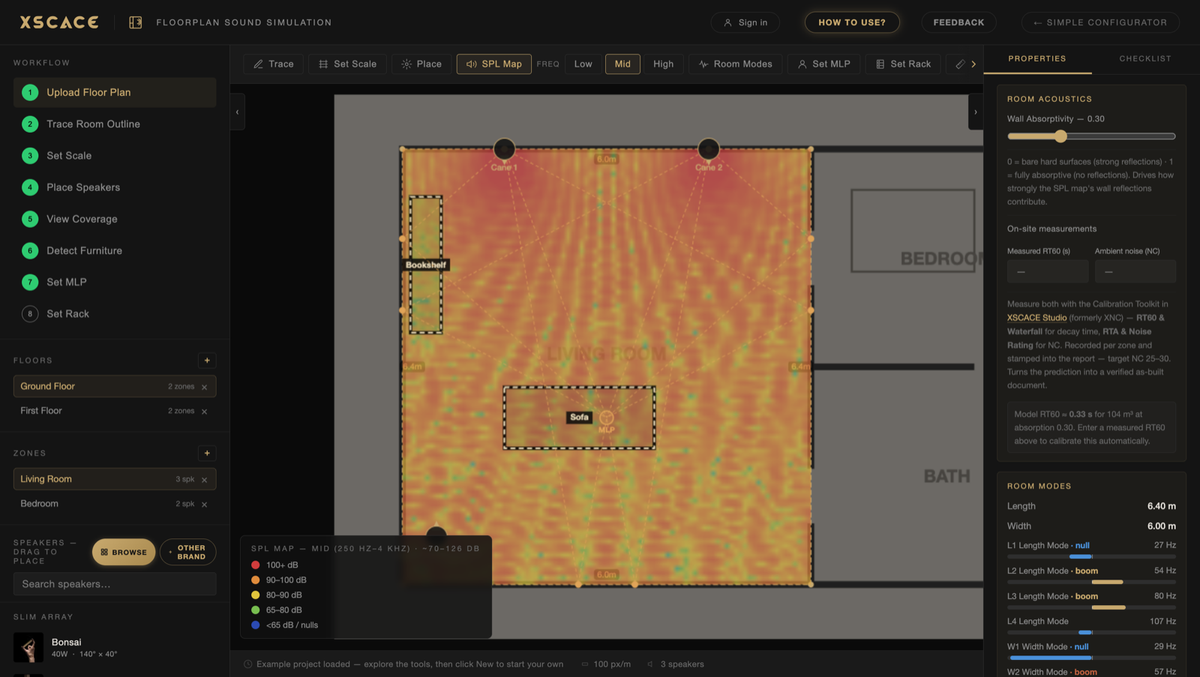
XSCACE Floorplan Sound Simulation takes a plan from trace to bill of quantities in the browser. For a room like this the outputs that matter are:
Coverage at the seating position rather than the room centre
First-reflection points flagged, which decides placement more often than taste does
Room modes located, so uneven bass is designed out rather than equalised later
Controlled
Day-to-day control is XSCACE Controller on iOS and Android. It handles volume, EQ and grouping, and the streaming amplifiers also appear natively as AirPlay 2 and Spotify Connect targets, so the app is for control rather than for getting audio into the room.
Calibrated
The calibration toolkit inside XSCACE Studio measures what the room actually does — eleven instruments covering SPL, delay, levels, polarity, frequency response, THD, sub alignment, transfer function, RT60, RTA and export, free on macOS. Here the ones that earn their place are:
Delay and polarity from a single sweep per channel
Sub Align, which integrates the subwoofer then re-measures to prove the correction
Frequency response at the listening position, not at the speaker
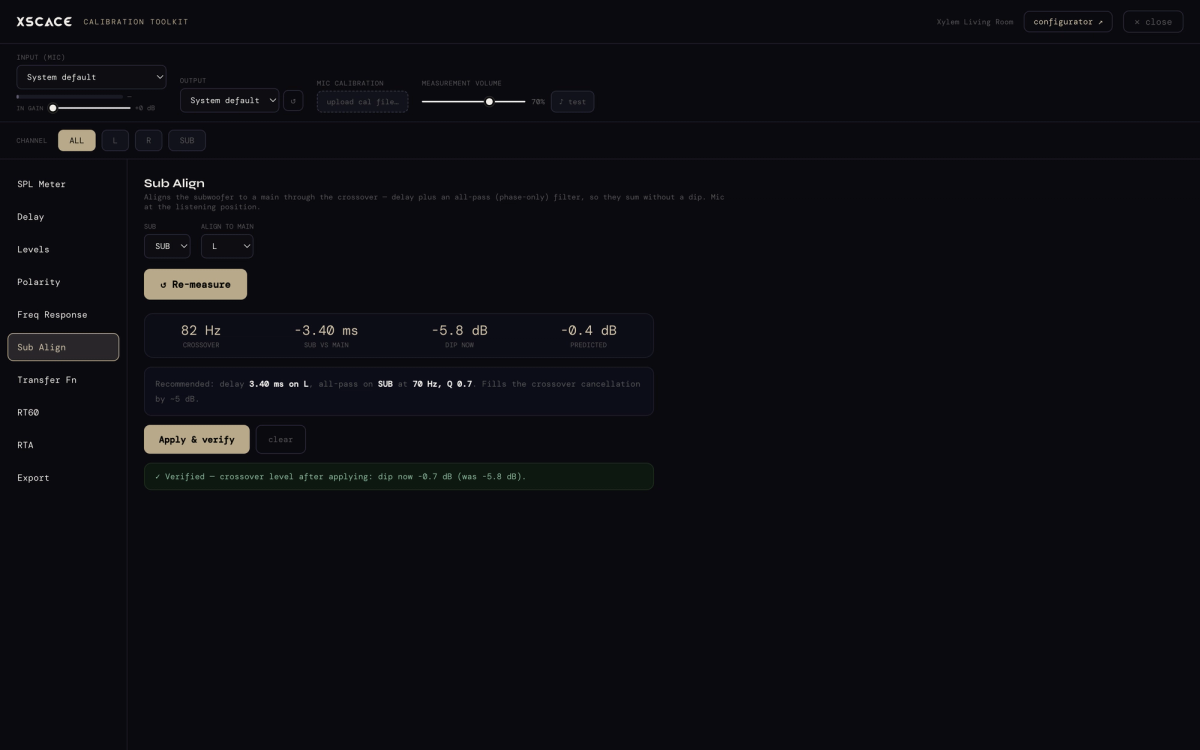
Ghost 2.0 runs down to 80Hz against Juniper's 25Hz, and the two records recommend different crossover points (150Hz and 200Hz). Which suits the room is a measurement, not a preference.