Contents6 sections
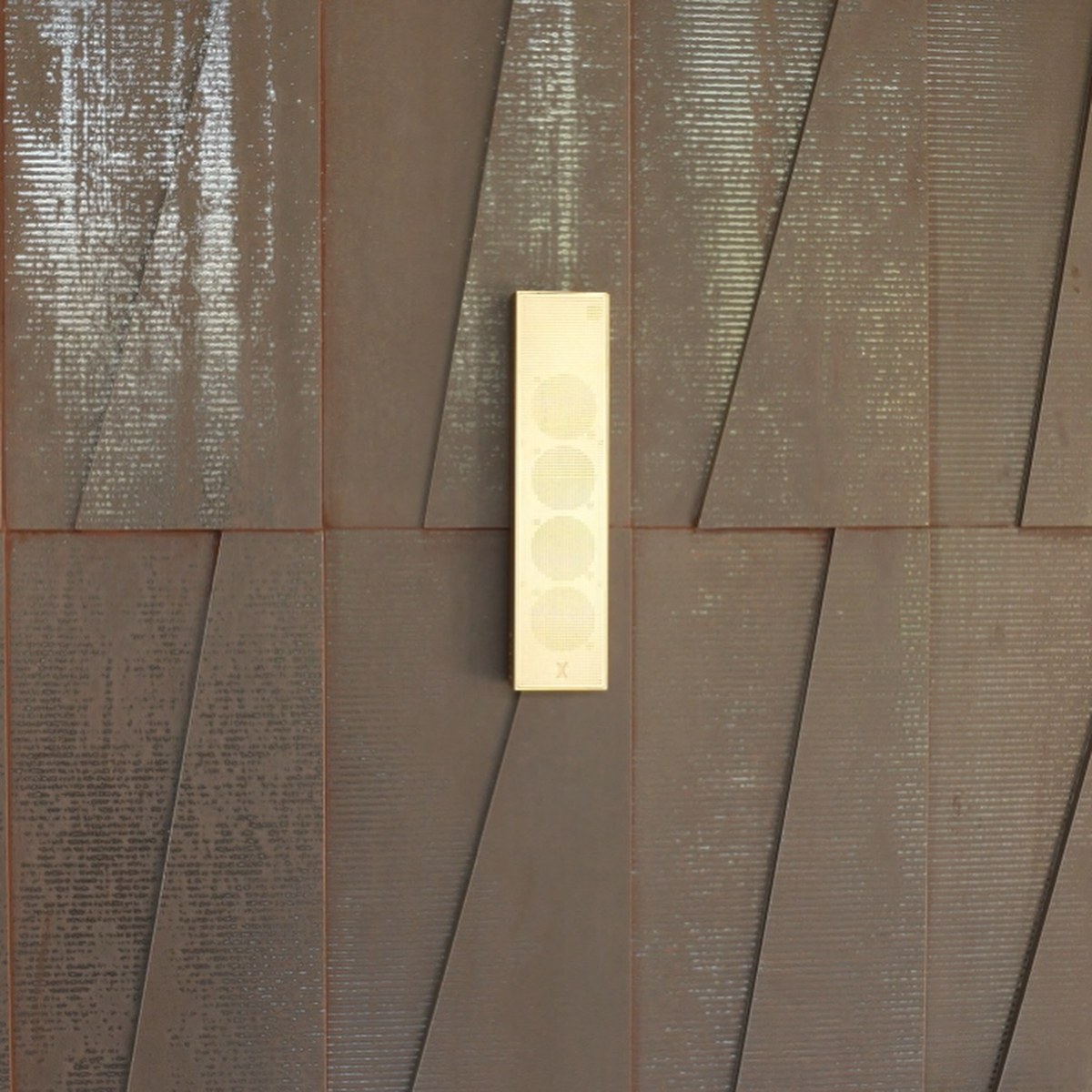
An exterior facade combining rusted Corten-steel cladding with rough-hewn split-face stone is a material-driven design statement — the kind of exterior where a visible speaker enclosure would read as an obvious add-on. This install mounted the same gold-finish Cane on both surfaces: the weathered metal cladding and the natural stone retaining wall, testing how one speaker reads against two very different exterior textures.
Case Study at a Glance
- Space: exterior facade, transitioning to an indoor-outdoor pavilion
- Product: Cane (23mm slim-array, IP66)
- Mounting surface: Corten steel cladding + split-face stone
- Finish: champagne / gold aluminium
- Goal: one speaker reading naturally against two contrasting exterior materials
Marine-treatable construction on exposed exterior cladding
Corten steel is chosen specifically because it weathers — its rust-toned patina is a deliberate, ongoing material process, not a defect. A speaker mounted directly to it needs its own hardware and finish to tolerate the same weathering conditions without corroding or degrading, which is what Cane's marine-treatable construction and IP66 rating are built for, distinct from a speaker that's merely splash-resistant for occasional damp.
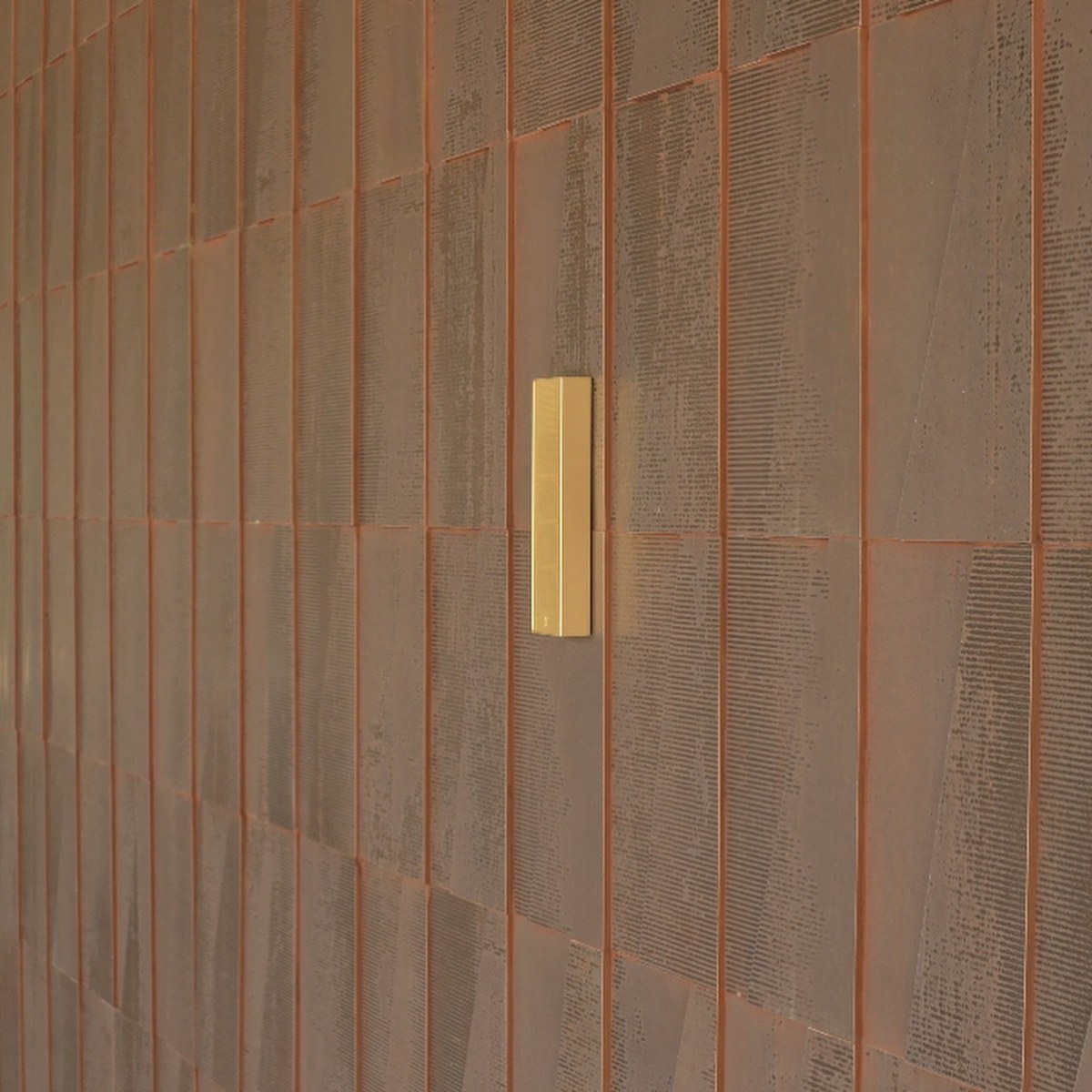
One speaker, two materials
Corten steel and split-face stone have almost opposite visual characters — one smooth and rust-toned, one rough and grey — but Cane's champagne aluminium finish sat comfortably against both, picking up warm tones from the Corten and reading as a natural accent against the stone.
Indoor-outdoor continuity
The same install continued to an indoor-outdoor pavilion or veranda, where the speaker's control unit was set into dark wood trim beside sheer bamboo-style roller blinds — a transitional space between the hard exterior materials and the interior, using the same product line throughout for consistency.
The system
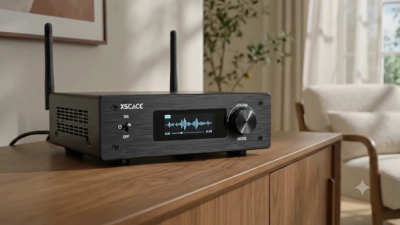
An Air Amp drives the exterior Cane array, taking advantage of Cane's IP66 rating and marine-treatable construction for the fully exposed sections of the facade.
Planned, controlled and calibrated without walls
Every XSCACE installation follows the same three stages: planned in the simulator, controlled from the app that matches the hardware, and calibrated with measurement. Outdoors there are no boundaries to reinforce anything, so level falls away with distance and coverage has to be designed rather than hoped for.
Planned
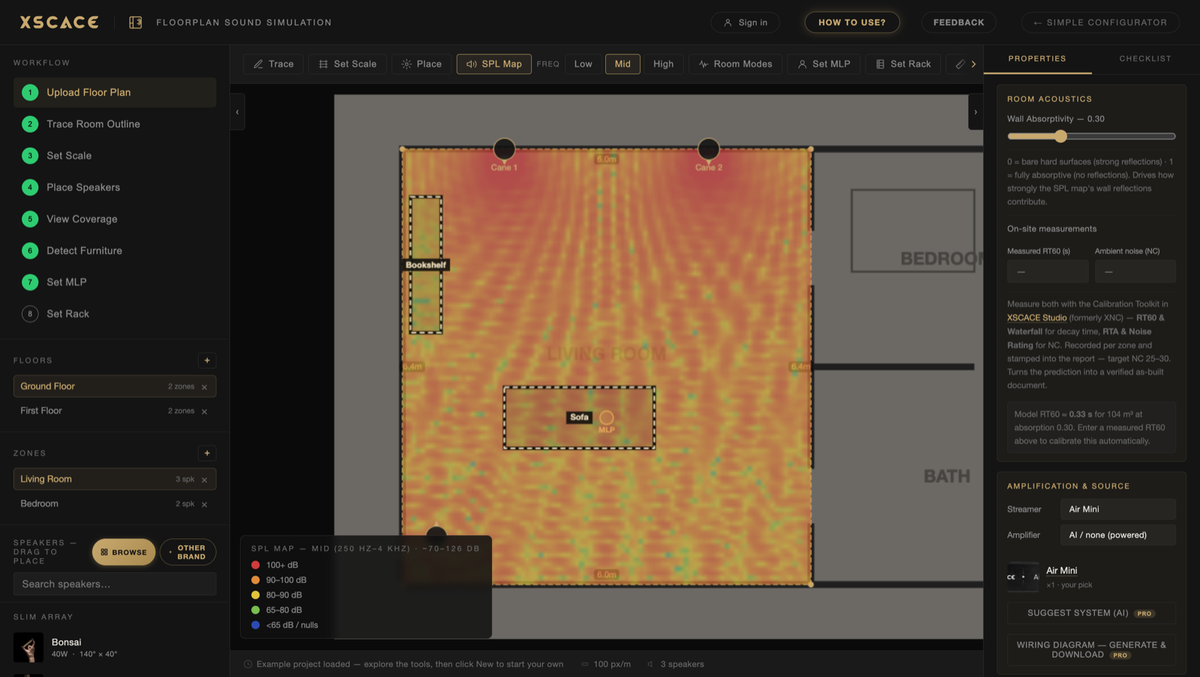
XSCACE Floorplan Sound Simulation takes a plan from trace to bill of quantities in the browser. For a room like this the outputs that matter are:
SPL coverage across the whole terrace or lawn, zone by zone
Source spacing set by the distance the level has to carry
Quantities and cable runs resolved before landscaping closes
Controlled
Day-to-day control is XSCACE Controller on iOS and Android. It handles volume, EQ and grouping, and the streaming amplifiers also appear natively as AirPlay 2 and Spotify Connect targets, so the app is for control rather than for getting audio into the room.
Calibrated
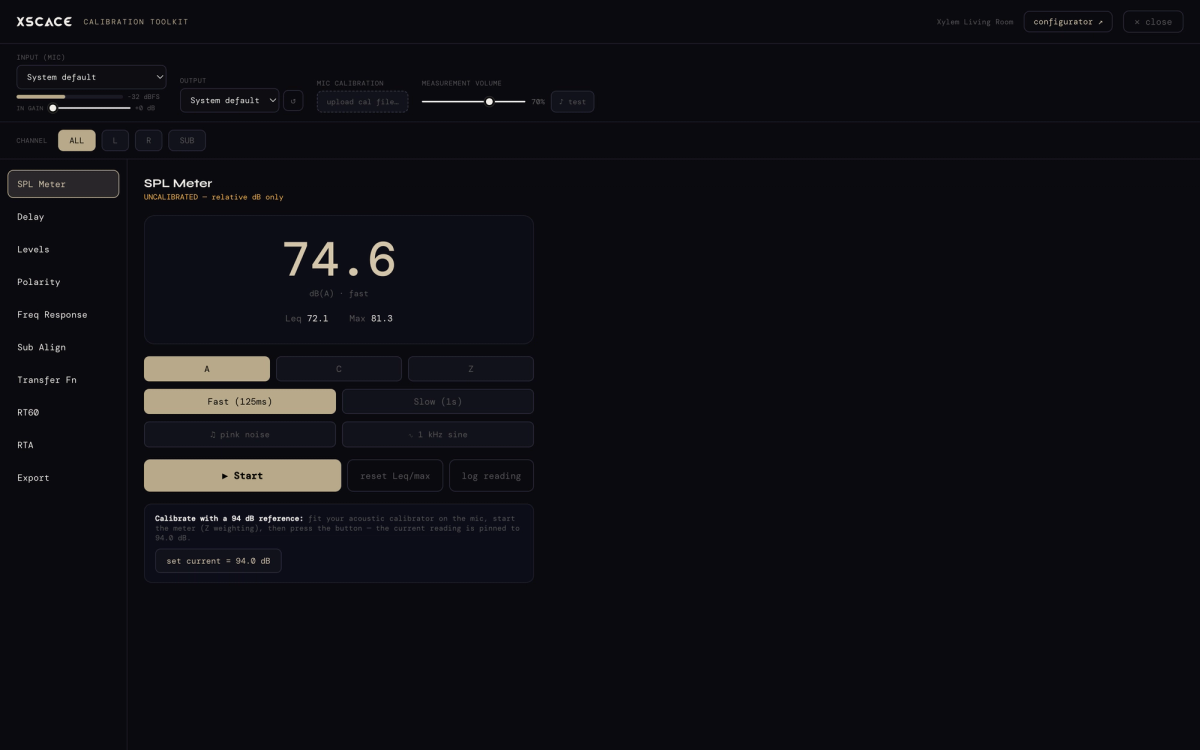
The calibration toolkit inside XSCACE Studio measures what the room actually does — eleven instruments covering SPL, delay, levels, polarity, frequency response, THD, sub alignment, transfer function, RT60, RTA and export, free on macOS. Here the ones that earn their place are:
SPL measured at the far edge of the listening area
Levels matched across sources so the garden reads as one system
RTA noise rating against traffic, water features and plant noise
Cane publishes 92dB sensitivity and a 110dB maximum SPL — the figures the coverage prediction works from, and the ones the finished room should measure.