Contents6 sections
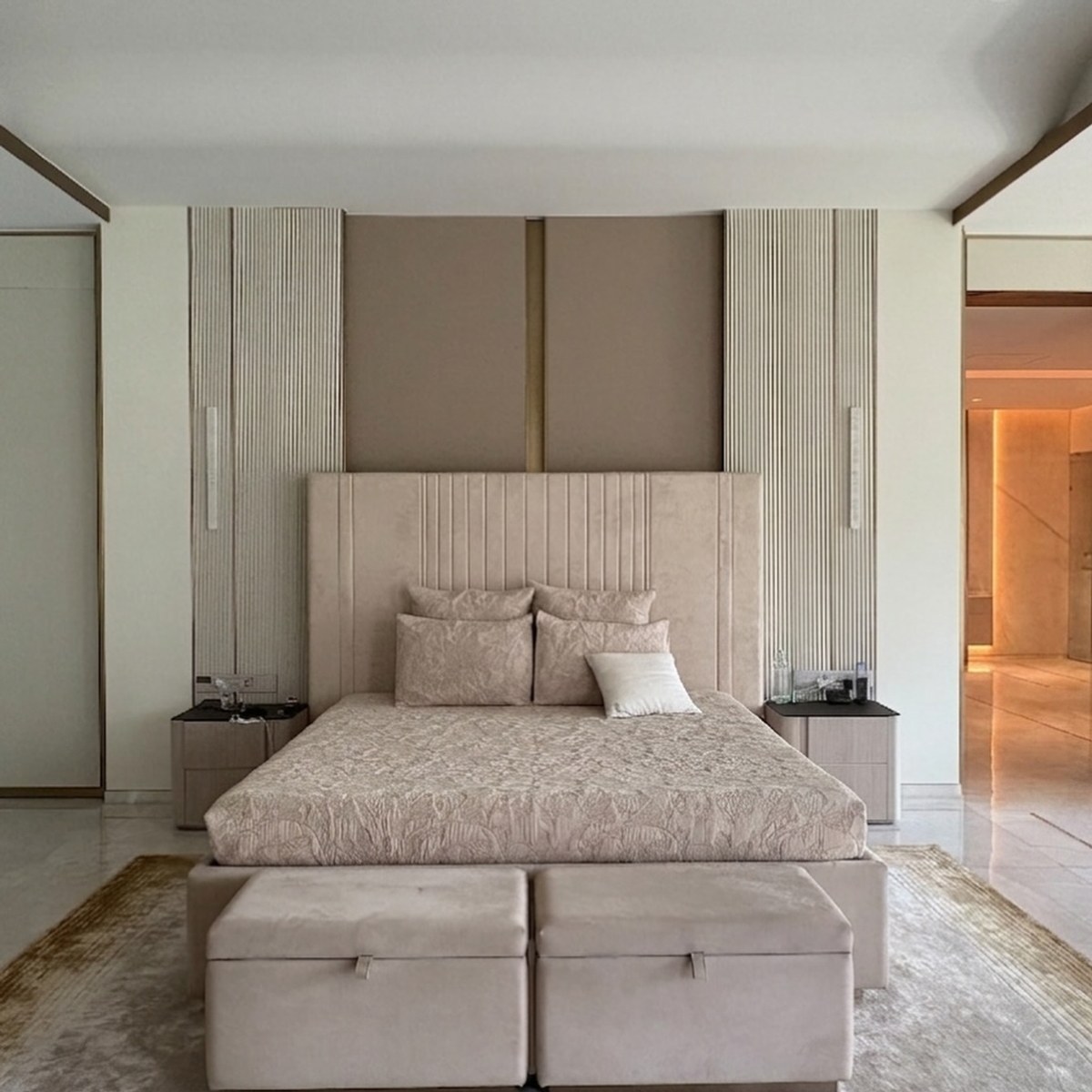
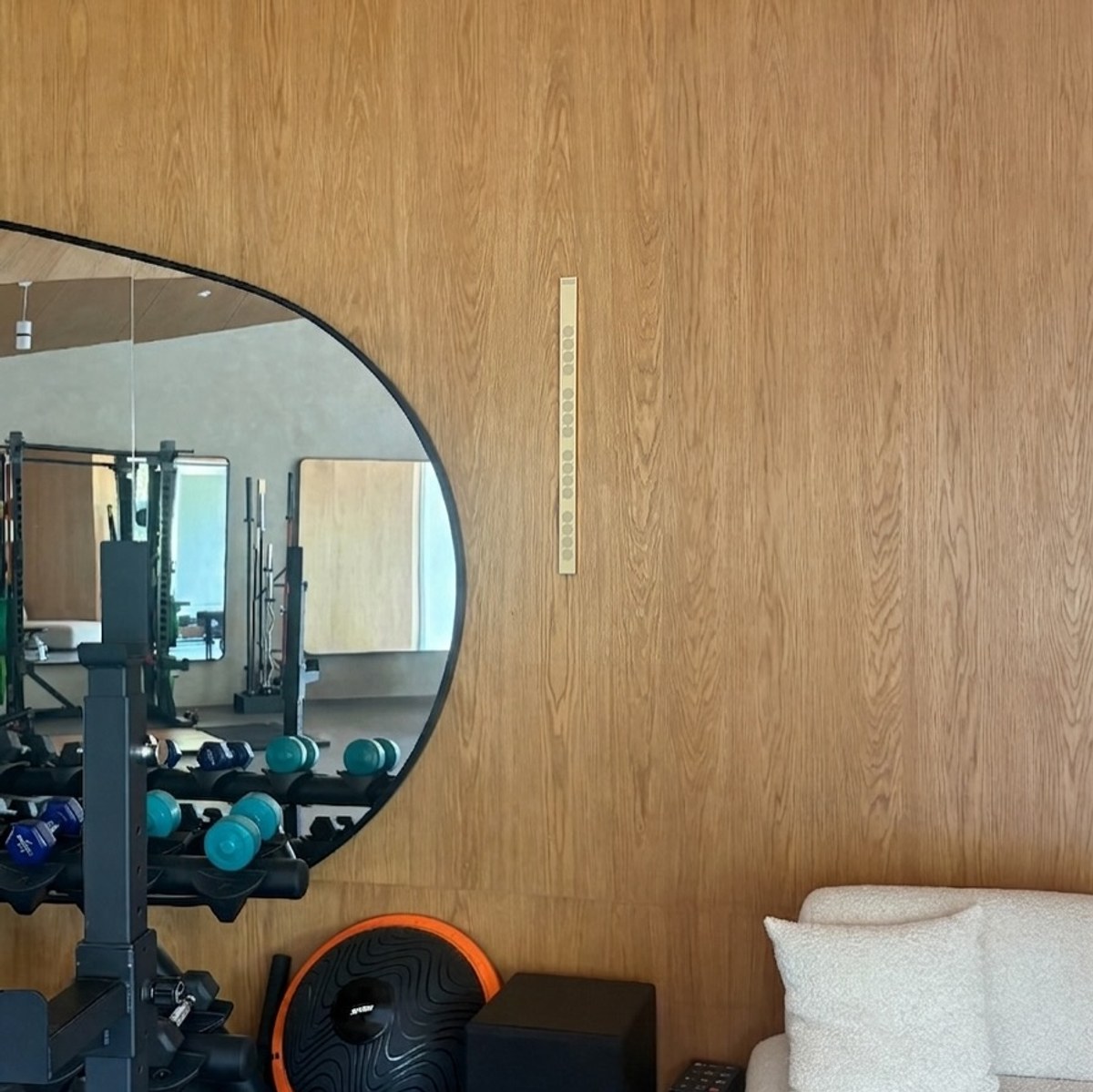
A primary bedroom with a fluted, channel-tufted taupe velvet headboard and matching wall panelling, and an adjoining home gym finished in oak wood panelling with a rack of dumbbells reflected in an oval mirror, are about as different in mood and material as two rooms in the same home can be — but both ran QuadCane, in white finish for the bedroom's soft fluted panels and champagne finish for the gym's warmer oak.
Case Study at a Glance
- Rooms: primary bedroom + adjoining home gym
- Product: QuadCane (21mm, 16-driver, 100W RMS, 95dB)
- Mounting surface: taupe velvet fluted panelling (bedroom) + oak wall (gym)
- Finish: white (bedroom) / champagne (gym)
- Goal: one speaker model, independently zoned, for two very different use cases
Independent zoning between adjoining rooms
Running the same speaker model in adjoining rooms only works well if each room has independent volume and source control — without that, a gym playlist at workout volume would bleed into a bedroom meant for winding down. This install used independent zone control between the two spaces, so the same product line could serve both without either room compromising for the other.
Two rooms, two finishes, one speaker
Rather than choosing entirely different speaker models for a quiet bedroom versus an active workout space, this install used QuadCane throughout and let the finish do the adapting — white to sit within the bedroom's pale, soft-textured fluting, champagne to blend with the gym's warmer wood tone.
QuadCane for a workout space
A home gym has different acoustic demands from a bedroom — higher volume, more energetic music, and a harder-surfaced room (mirror, wood, exercise equipment) that reflects sound differently than a soft, fabric-heavy bedroom. QuadCane's 100W RMS and 95dB sensitivity give it enough headroom for both without needing a separate higher-power model for the gym alone.
The system
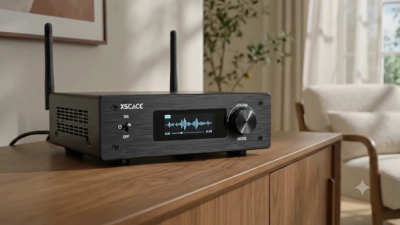
An Air Amp drives both zones independently, letting the bedroom run at low ambient volume for winding down while the gym runs louder, energetic playlists on a separate control.
Planned, controlled and calibrated for low-level listening
Every XSCACE installation follows the same three stages: planned in the simulator, controlled from the app that matches the hardware, and calibrated with measurement. A bedroom is used quietly, and quiet listening is unforgiving — at low level, timing and tonal balance are all that is left.
Planned
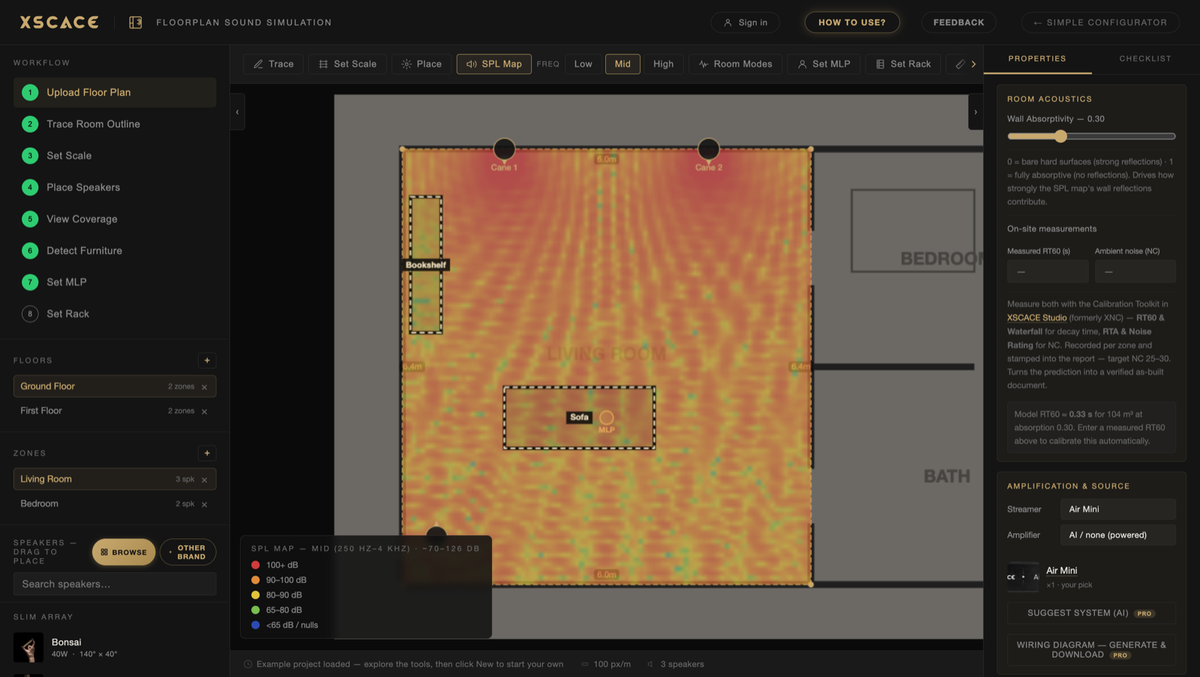
XSCACE Floorplan Sound Simulation takes a plan from trace to bill of quantities in the browser. For a room like this the outputs that matter are:
Coverage at the bed, the one position that matters
Placement checked against soft furnishing, which absorbs unevenly across frequency
Quantities and finishes agreed before joinery is cut
Controlled
Day-to-day control is XSCACE Controller on iOS and Android. It handles volume, EQ and grouping, and the streaming amplifiers also appear natively as AirPlay 2 and Spotify Connect targets, so the app is for control rather than for getting audio into the room.
Calibrated
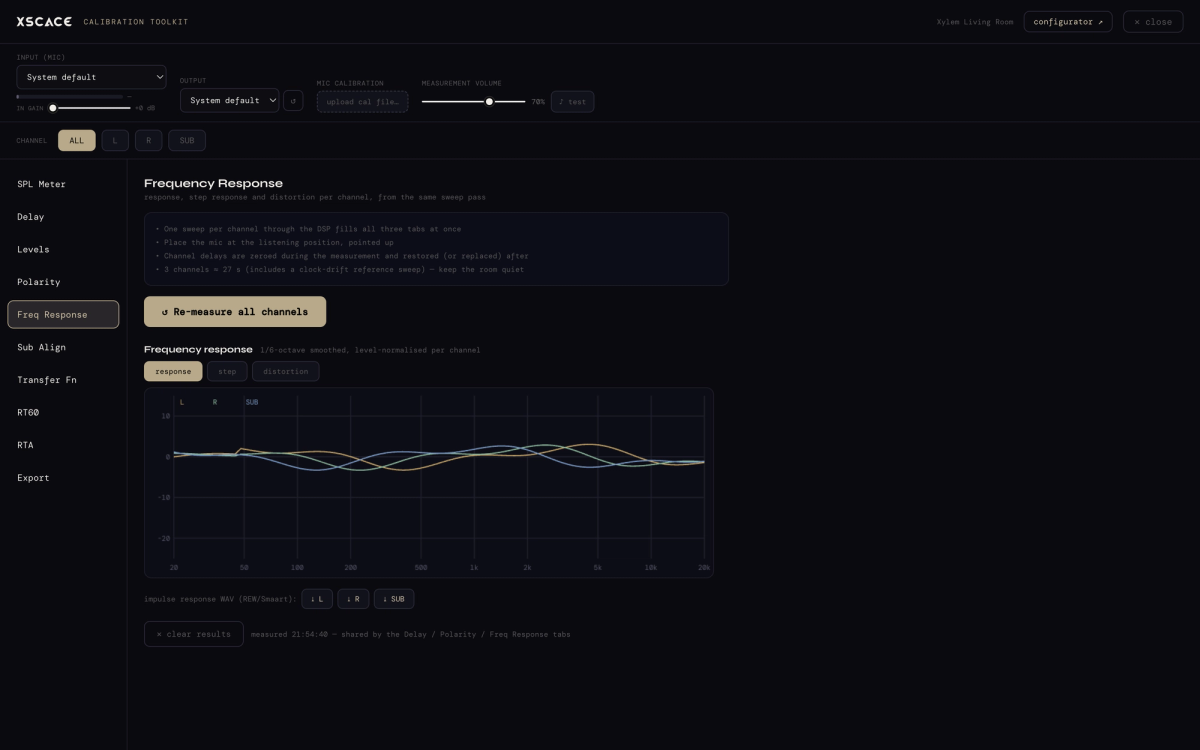
The calibration toolkit inside XSCACE Studio measures what the room actually does — eleven instruments covering SPL, delay, levels, polarity, frequency response, THD, sub alignment, transfer function, RT60, RTA and export, free on macOS. Here the ones that earn their place are:
Levels matched channel to channel, so the image sits where it should
RT60 to ISO 3382 — soft rooms measure very differently from the rest of a house
Frequency response, because tonal balance is what carries at low volume
QuadCane publishes 95dB sensitivity and a 116dB maximum SPL — the figures the coverage prediction works from, and the ones the finished room should measure.