Contents5 sections
Outlook Luxe's review of the XSCACE QuadCane and Juniper pairing, written by Ajinkya Nair, opens with a line that doubles as a thesis: when slim meets substance. It's a fair summary of what the QuadCane is engineered to prove — that an architectural line array 0.8 inches thick can deliver real authority, not just polite background sound, and that the hardest part of the job isn't the driver, it's making the whole system disappear while it does it.
"Surprising Authority": How the QuadCane Handles 100W
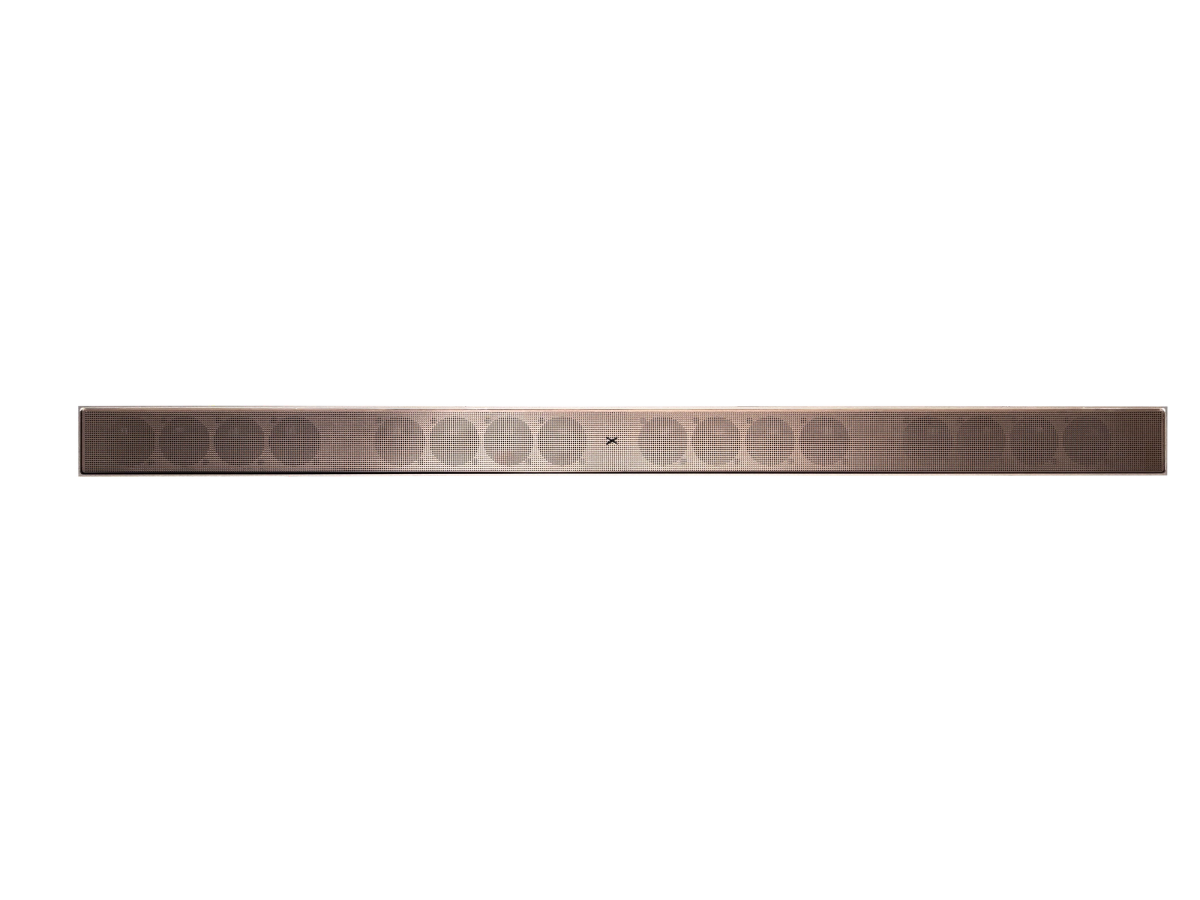
Nair's listening notes are specific in a way generic reviews rarely are. On the QuadCane's 100W output, he writes that it "fills a living room with surprising authority", and on a Miles Davis track, notes the trumpet "retained its bite" while the double bass "kept its woody resonance" across the QuadCane's native 150Hz–20kHz range. That's the review testing exactly what the QuadCane's 16 Power Dense Woofers are built for: midrange detail and instrument separation from a driver array thin enough to read as architectural trim rather than electronics.
Where the QuadCane Needs Help: Electronic Music and Deep Bass
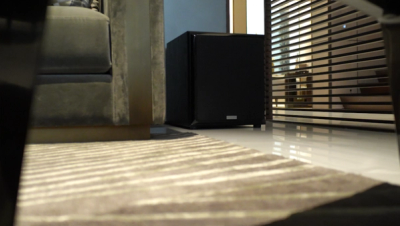
The review doesn't stop at praise. Nair notes that "electronic music reveals the QuadCane's limits" — when low-end drops hit below 150Hz, the need for the Juniper Subwoofer becomes obvious, since the QuadCane's array simply isn't built to reproduce those visceral frequencies on its own. That's an accurate and honest read: the QuadCane's design brief is midrange clarity in an architectural profile, not full-range bass, which is precisely why XSCACE built the Juniper as its dedicated pairing rather than trying to force deep bass out of a 0.8-inch enclosure.
The Crossover: "No Awkward Frequency Gaps"
What the review singles out as the real engineering win is the handoff between the two units. Nair writes that "the crossover between QuadCane and Juniper feels natural, without the awkward frequency gaps that plague many satellite-sub combinations", and that the Juniper extends the system's reach down to 25Hz "without drawing attention to itself." A seamless crossover is one of the hardest things to get right in a two-piece system — it's the difference between a subwoofer that announces itself with a boomy handoff and one that simply extends the soundstage downward without the listener noticing where one driver ends and the next begins.
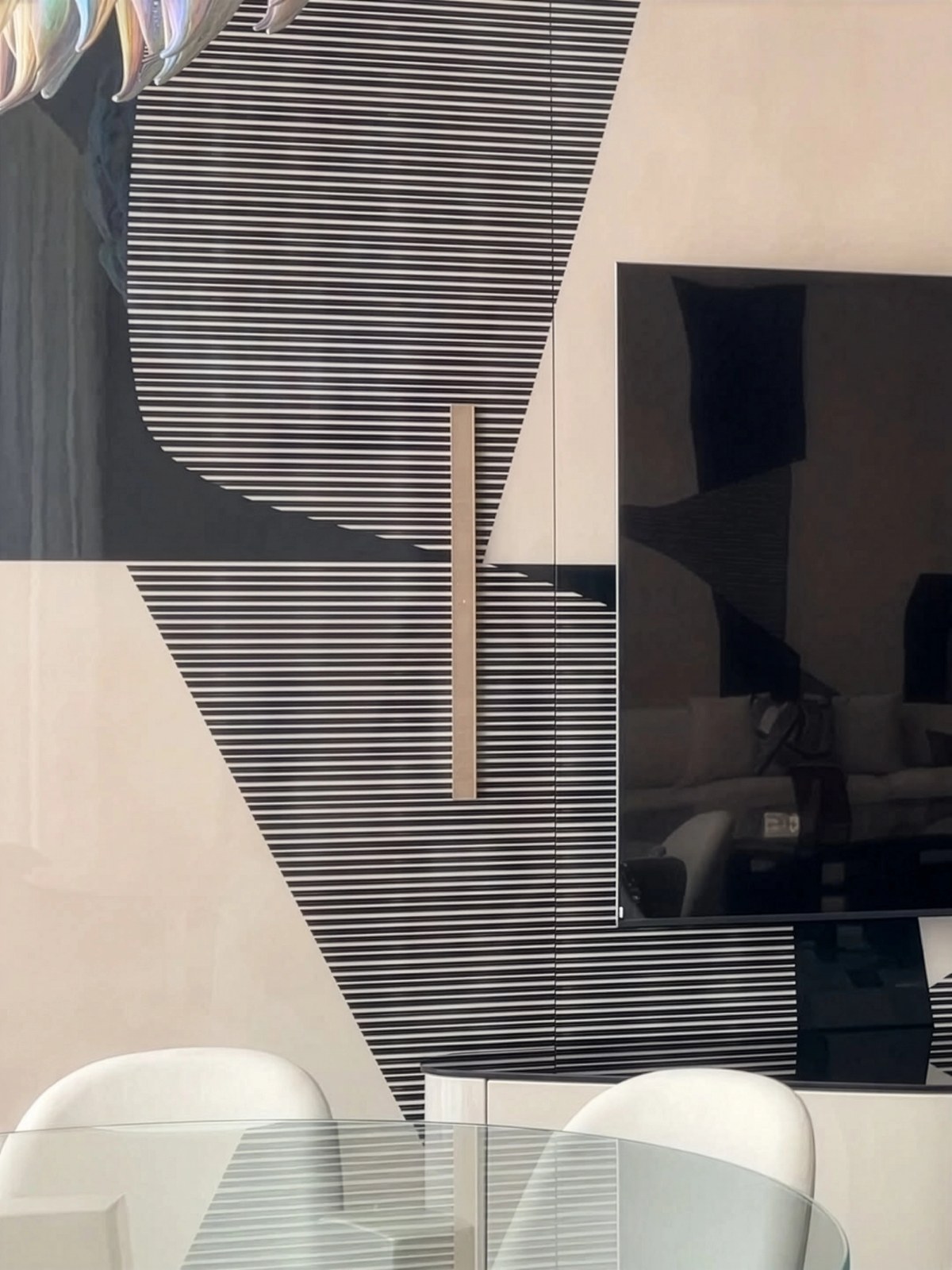
"What strikes reviewers most is how effortlessly it disappears into daily life whilst remaining sonically present when needed — a balance that is harder to nail than most manufacturers realize." — Outlook Luxe
QuadCane + Juniper at a Glance
- QuadCane: 16 Power Dense Woofers, 100W, 150Hz–20kHz, 0.8 inches thick
- Juniper: extends system response down to 25Hz
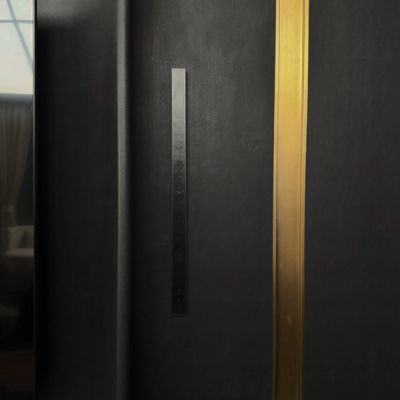
- Finish: matte champagne, screwless aesthetic, flush wall mount
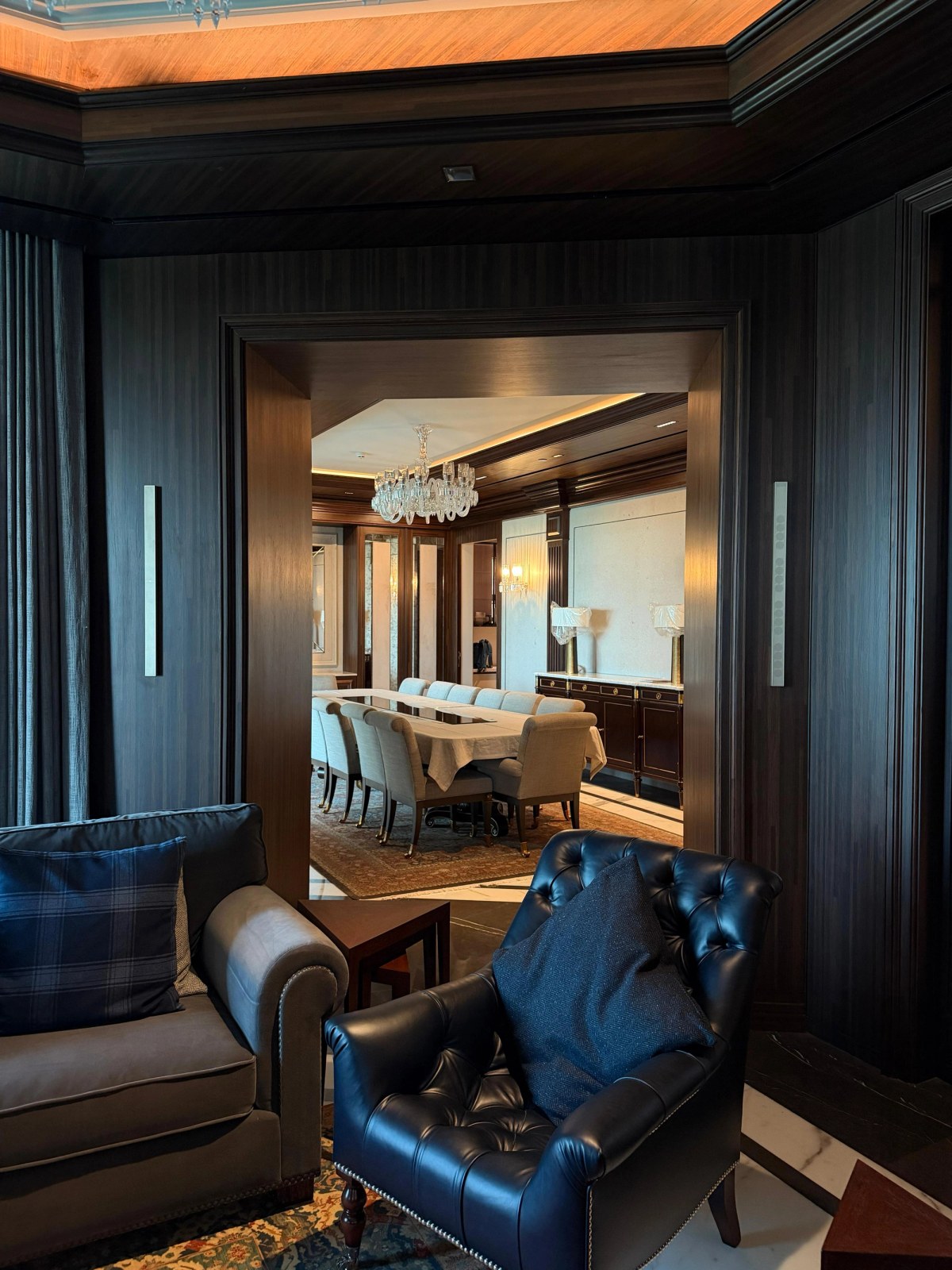
- Best suited for: seamless architectural integration without visual compromise
Why Satellite-Sub Crossovers Usually Sound Worse Than This
Most satellite-and-subwoofer systems suffer from the same problem: the satellite and the sub are designed by different teams, sometimes different companies entirely, and integrated after the fact with a generic crossover point that neither driver was specifically tuned around. The result is the "awkward frequency gap" Outlook Luxe's review is explicitly praising the QuadCane and Juniper for avoiding — a dip or bump in the 100–200Hz range where the listener can localize the subwoofer instead of experiencing a single, seamless soundstage.
XSCACE's PrecisionXover Array™ exists specifically to close that gap: the QuadCane and Juniper are engineered together, with the crossover point tuned to the actual measured output of both drivers rather than a generic textbook frequency. That's the difference between a subwoofer that sounds bolted on and one that extends the system's range without the listener ever noticing the handoff — which is exactly what Outlook Luxe's review describes hearing.
That level of engineering coordination is only possible when both components are designed by the same team with the same target response in mind — which is precisely why XSCACE builds the QuadCane and Juniper as a matched pairing rather than leaving customers to mix and match a satellite array with a generic third-party subwoofer.
See full specifications for the QuadCane and the Juniper subwoofer.